Biblical Studies
-
The Late Foundation: What Matthew’s Rock Was Built to Answer
In the summer of 62, with the Roman procurator Festus recently dead and his successor still on the road from Rome, the high priest Ananus saw his opening. He assembled the Sanhedrin, brought James before it on a charge of… Continue reading

-
Two Trials, Two Men: Why Mark And John Cannot Be Harmonized
Paul Winter, in On the Trial of Jesus (2nd edition, revised by T. A. Burkill and Geza Vermes, 1974), observed that the Marcan Passion narrative “scarcely admits of being supplemented with items derived from John.” He offered this as a… Continue reading

-
The James the Gospels Did Not Want You to Know: Why the Lord’s Brother Has No Story
(A companion essay to The Twelve Who Were Not: Composite Apostles and the Making of Early Christianity) What happens if a historian works forward from the earliest sources instead of starting with the gospels? I want to try that experiment… Continue reading

-
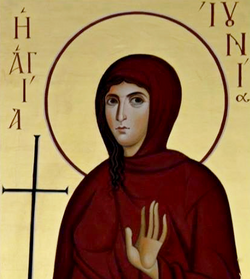
Junia Was a Woman: The Vowel That Changed the History of Apostolic Authority
This essay discusses the significance of the name Junia in Romans 16:7, highlighting how a simple vowel change to “Junias” obscured her role as an outstanding female apostle in early Christianity. It emphasizes how this alteration reflects broader institutional efforts… Continue reading
-
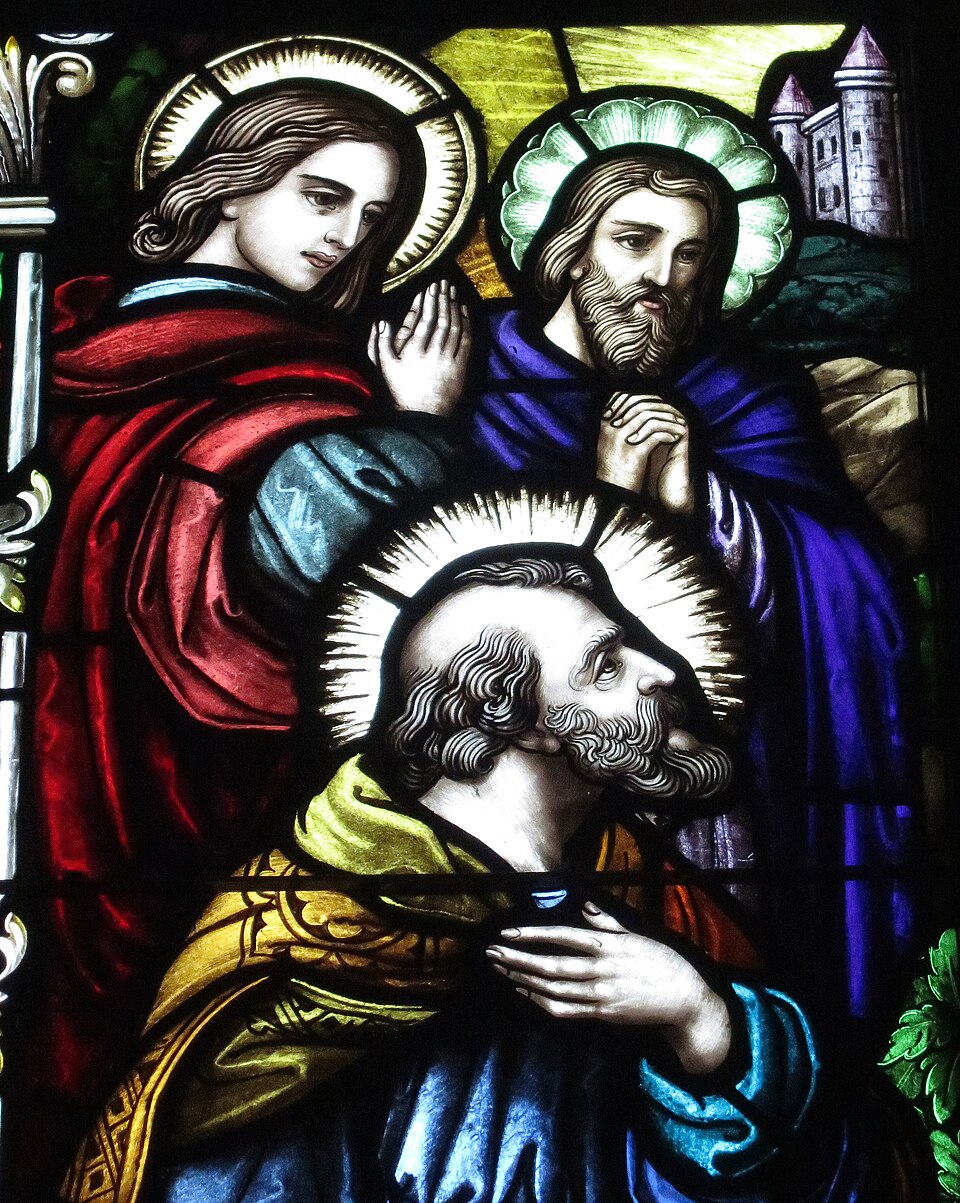
Three Pillars, Not Twelve: What Paul Actually Saw When He Went to Jerusalem
The essay discusses the governance of the early Jerusalem community post-crucifixion, contrasting the traditional depiction of the Twelve apostles with evidence from Paul’s letter to the Galatians. It argues that early leadership revolved around three pillars—James, Cephas, and John—highlighting a… Continue reading
-
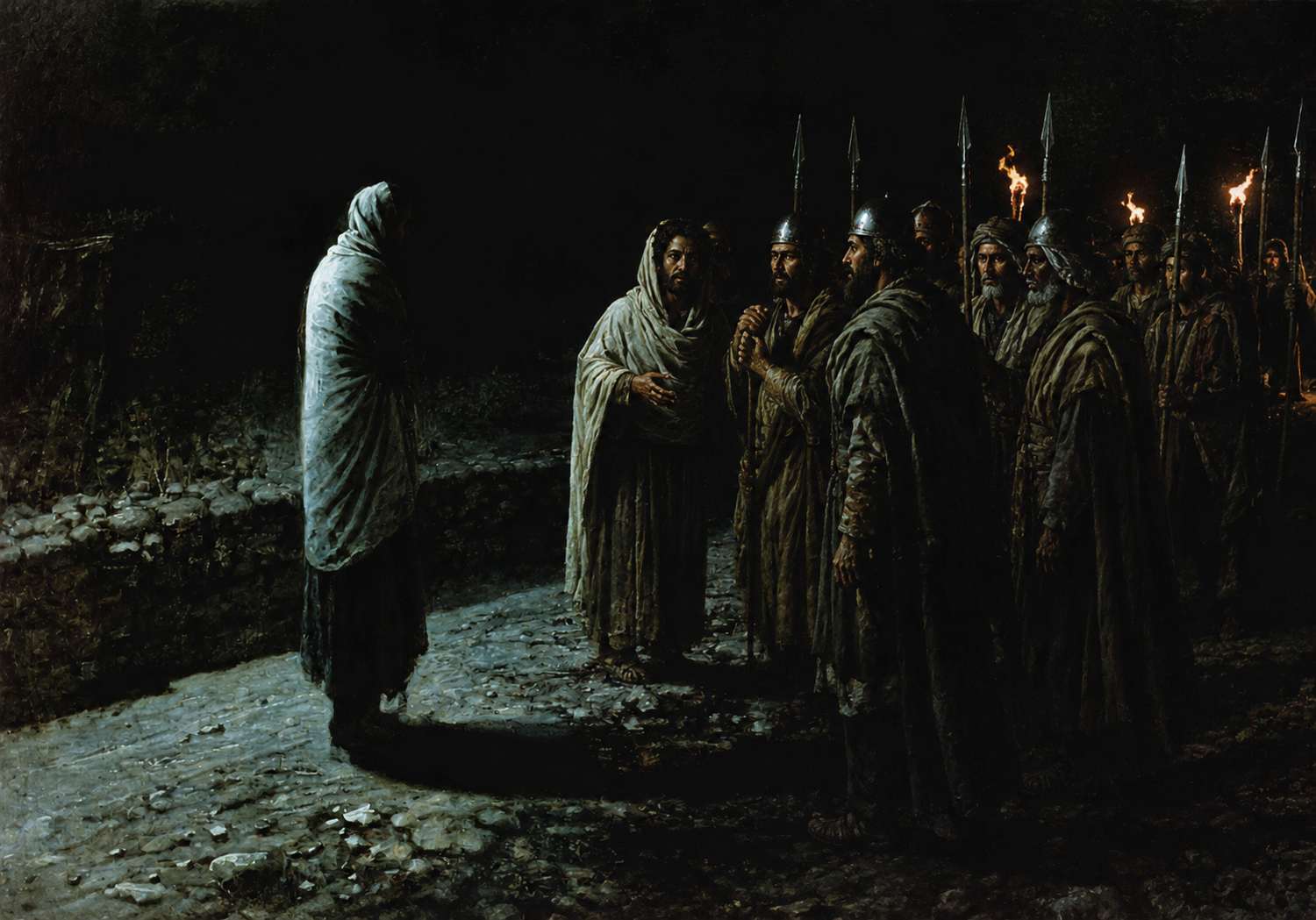
The Name That Explains the Act: Why Iscariot Was Never a Place
(A companion essay to The Twelve Who Were Not: Composite Apostles and the Making of Early Christianity) For two thousand years the name Iscariot has been treated as settled vocabulary rather than an unsolved problem, and that is itself part… Continue reading
-
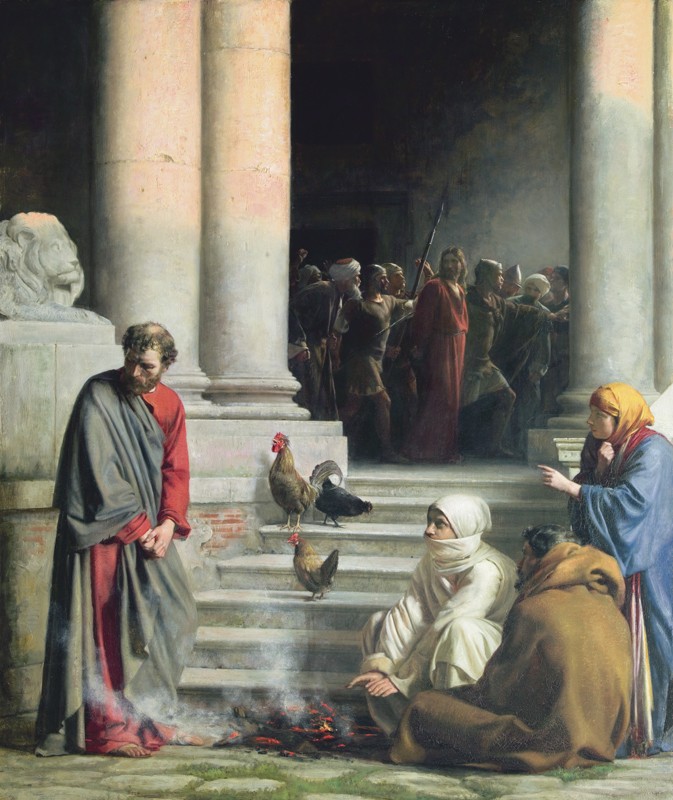
When Peter Became Peter
The Pauline Cephas and the Matthean Peter are two different institutional figures wearing the same name, and the name is the seam at which the construction is most visible, because the name is what the tradition used to make the… Continue reading
-
The Passover Amnesty: A Custom Without History
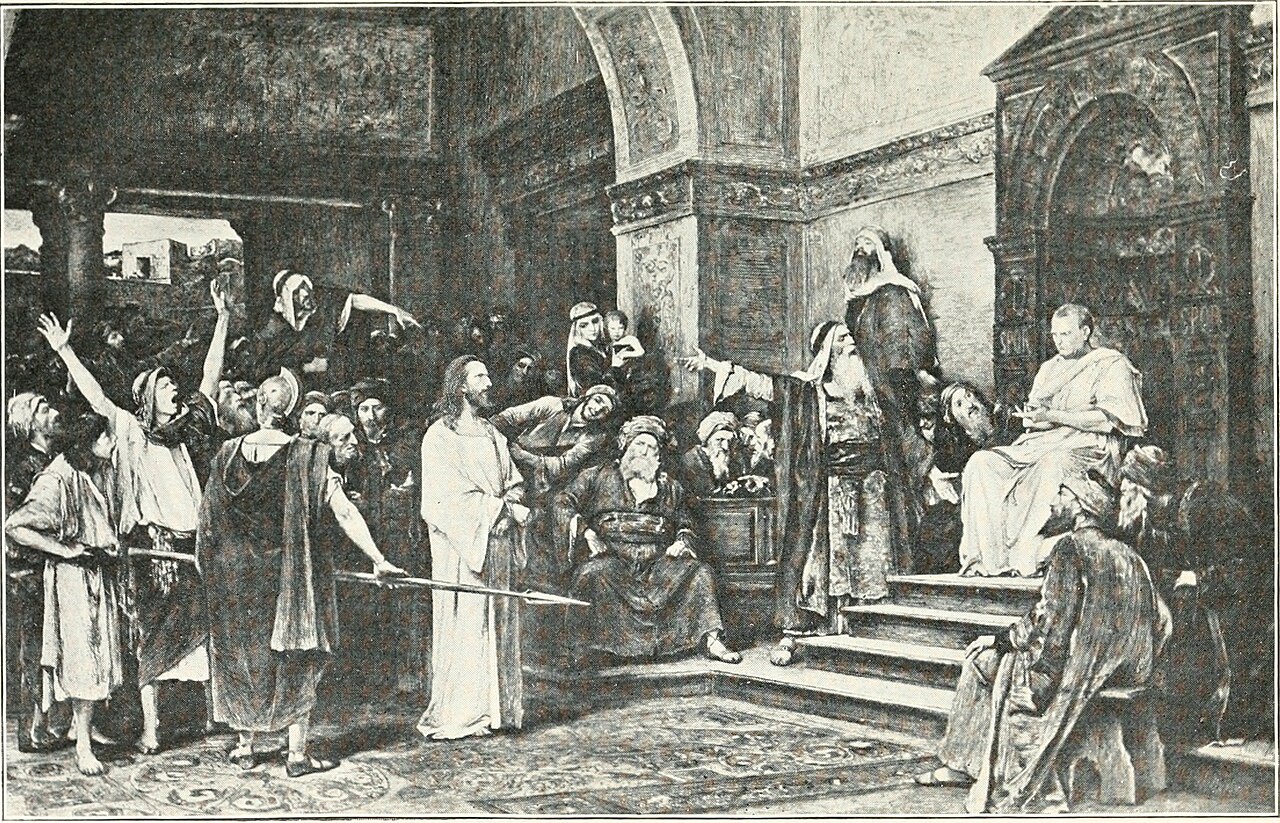
The scene before Pilate, where a prisoner is released during Passover, has no clear support outside the Gospels. For this reason, many scholars think the story was created by the Gospel writers. What if Christ and Barabbas were the same… Continue reading
-
Origen’s Discomfort: The Name He Could Not Let Stand
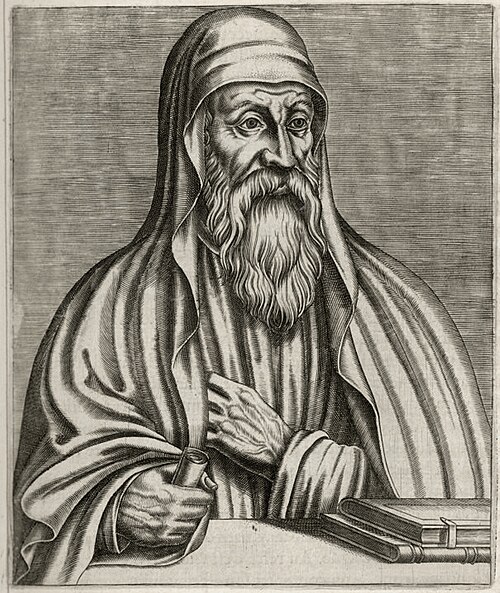
Origen of Alexandria was not a man easily frightened by difficult texts. He had spent his life inside them. Born around 184 CE in Alexandria to a Christian family (his father Leonidas died as a martyr under the Septimius Severus… Continue reading
-
12. The Two Streams Converge and Diverge
Two men named Jesus, both claiming messianic authority, both gathering followers, both destabilizing the established order, though in almost opposite registers. One worked in public, confrontationally, in the idiom of apocalyptic expectation, building a movement that Rome and the Temple… Continue reading
