Biblical Studies
-
12. The Two Streams Converge and Diverge
Two men named Jesus, both claiming messianic authority, both gathering followers, both destabilizing the established order, though in almost opposite registers. One worked in public, confrontationally, in the idiom of apocalyptic expectation, building a movement that Rome and the Temple… Continue reading

-
11. Two Resurrections, Two Different Kinds of Appearance
The resurrection accounts get harmonized, by long habit, into a single sequence — one Jesus appearing to various people in various places. Look closely, though, and they describe two fundamentally different kinds of experience, and I think those differences make… Continue reading

-
The Folded Cloth and What It Says About Resurrection
In John’s resurrection account, specific details about the empty tomb challenge traditional interpretations. The folded face cloth, distinct from the burial linen, signifies deliberate human care, indicating that someone had tended to the body. This contrasts with the frantic burial… Continue reading

-
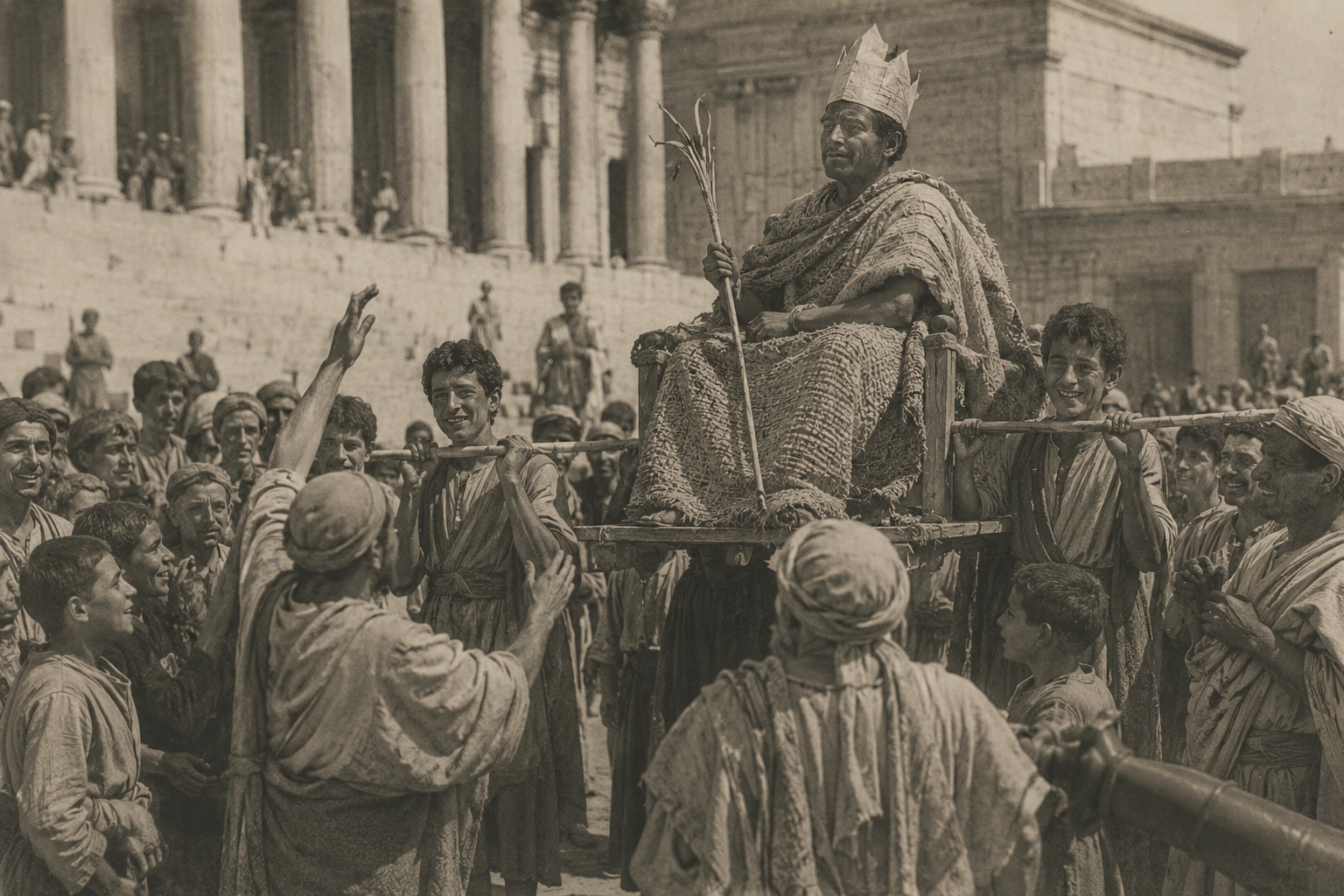
KARABBAS IN ALEXANDRIA: THE HISTORICAL MEMORY BEHIND THE PASSION
Philo of Alexandria’s “Against Flaccus,” written circa 38 CE, documents the mockery of a mentally disabled man named Karabbas, linked to Jesus’s crucifixion scene in the Gospels. This episode reflects the Alexandrian Jewish community’s response to political tensions and encodes… Continue reading
-
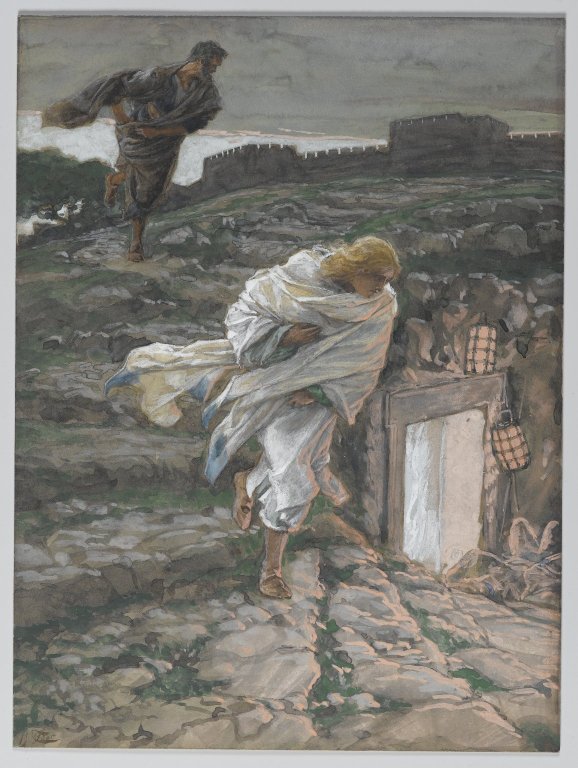
The Rock and the Beloved
This analysis highlights the contrasting portrayals of Peter and the beloved disciple in Matthew and John’s Gospels. Matthew emphasizes Peter’s institutional authority as the “rock” of the church, while John focuses on the relational intimacy of discipleship. The differences underscore… Continue reading
-
The Composite Paul: A Critical Reconstruction
There is a sentence in the sixteenth chapter of Paul’s letter to the Romans that scholarship has, for two thousand years, done its very best to ignore. It is not hidden. It requires no special knowledge of ancient languages or… Continue reading
-
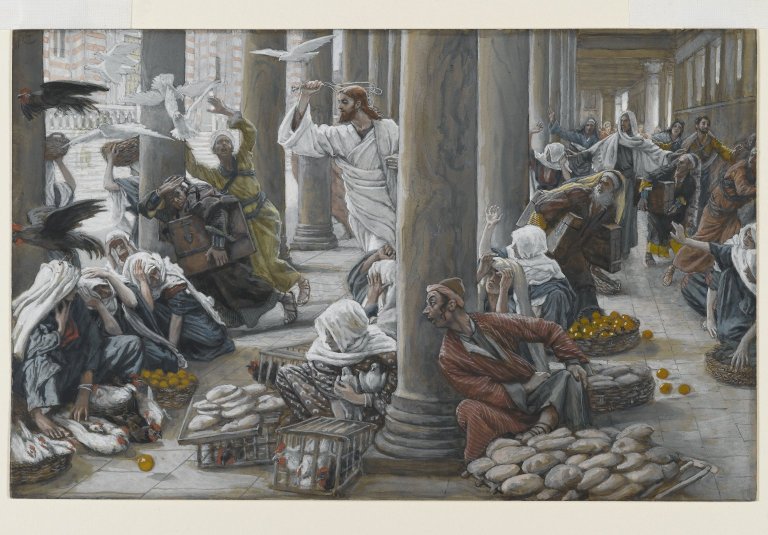
9. The Temple: Where the Split Becomes Undeniable
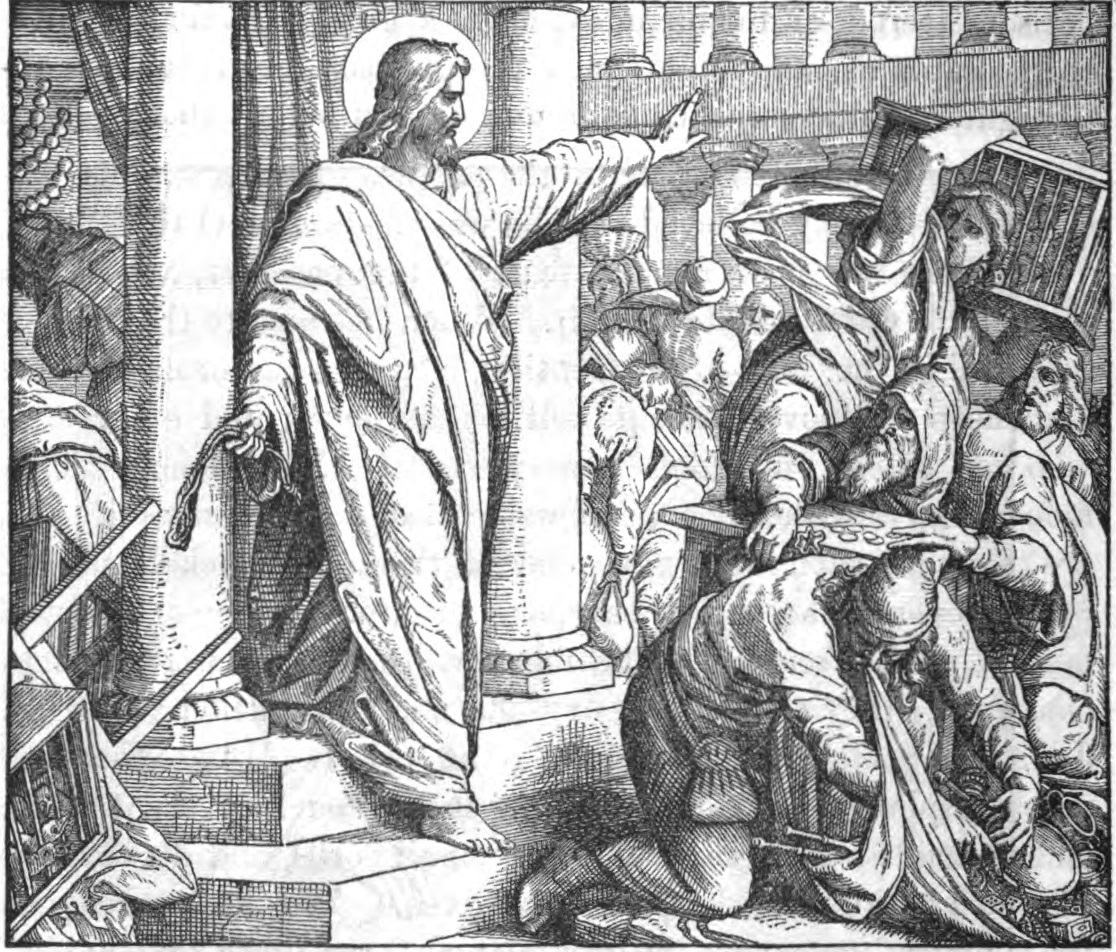
If a single episode makes the two-Jesus theory difficult to set aside, it is the Temple incident. The Synoptics and John describe Jesus’s relationship to the Temple in ways that cannot refer to the same person occupying the same historical… Continue reading
-
8. Two Political Postures, Two Threats to Order
The text explores the contrasting political messages of Jesus as presented in the Synoptic Gospels versus John. The Synoptic Jesus critiques wealth and power, posing a revolutionary threat, while the Johannine Jesus focuses on spiritual transformation without challenging existing socio-political… Continue reading
-
Matthew 16:18-19 Historical Criticism: Is the ‘Rock’ Saying Original to Jesus?”
The discussion highlights two conflicting interpretations of access to God within the Jesus tradition, particularly in Matthew’s Gospel. It examines Matthew’s unique key-holding narrative alongside independent traditions, like those in Luke and the Gospel of Thomas, which reject gatekeeping. This… Continue reading

-
When the Kingdom Did Not Come, What Came Instead?
(This is the continuation of the article The Kingdom That Did Not Come.) Christianity inherited a problem almost from the moment it began. Jesus seems to have expected the kingdom of God within the lifetime of the people listening to… Continue reading