Biblical Studies
-
6. Two Eschatologies, Two Kingdoms
The concept of the kingdom of God varies between the Synoptic Gospels and John. The Synoptics emphasize a future, urgent transformation with ethical implications tied to imminent events, while John presents a present reality focused on inner belief and spiritual… Continue reading

-
5. Two Self-Understandings, Two Christologies
The Gospels present two contrasting portrayals of Jesus: the Synoptic Gospels depict him as a human prophet with limitations and a mission from God, while John presents him as a pre-existent divine being. These differences reflect distinct self-understandings, leading to… Continue reading

-
Two Gospels, Two Missions: The Saying That Separated the Jesuses
John the Baptist sent messengers from prison. He’d been arrested by Herod Antipas for publicly condemning the tetrarch’s marriage to his brother’s wife, and he was waiting out his time in the fortress of Machaerus east of the Dead Sea,… Continue reading

-
4. Two Baptisms, Two Recognitions
The Baptist stands in the Jordan River, water to his waist, preaching to crowds that the kingdom of heaven is at hand. His message runs on fire and judgment. Even now the axe is laid to the root of the… Continue reading

-
3. Two Public Ministries, Two Operating Styles
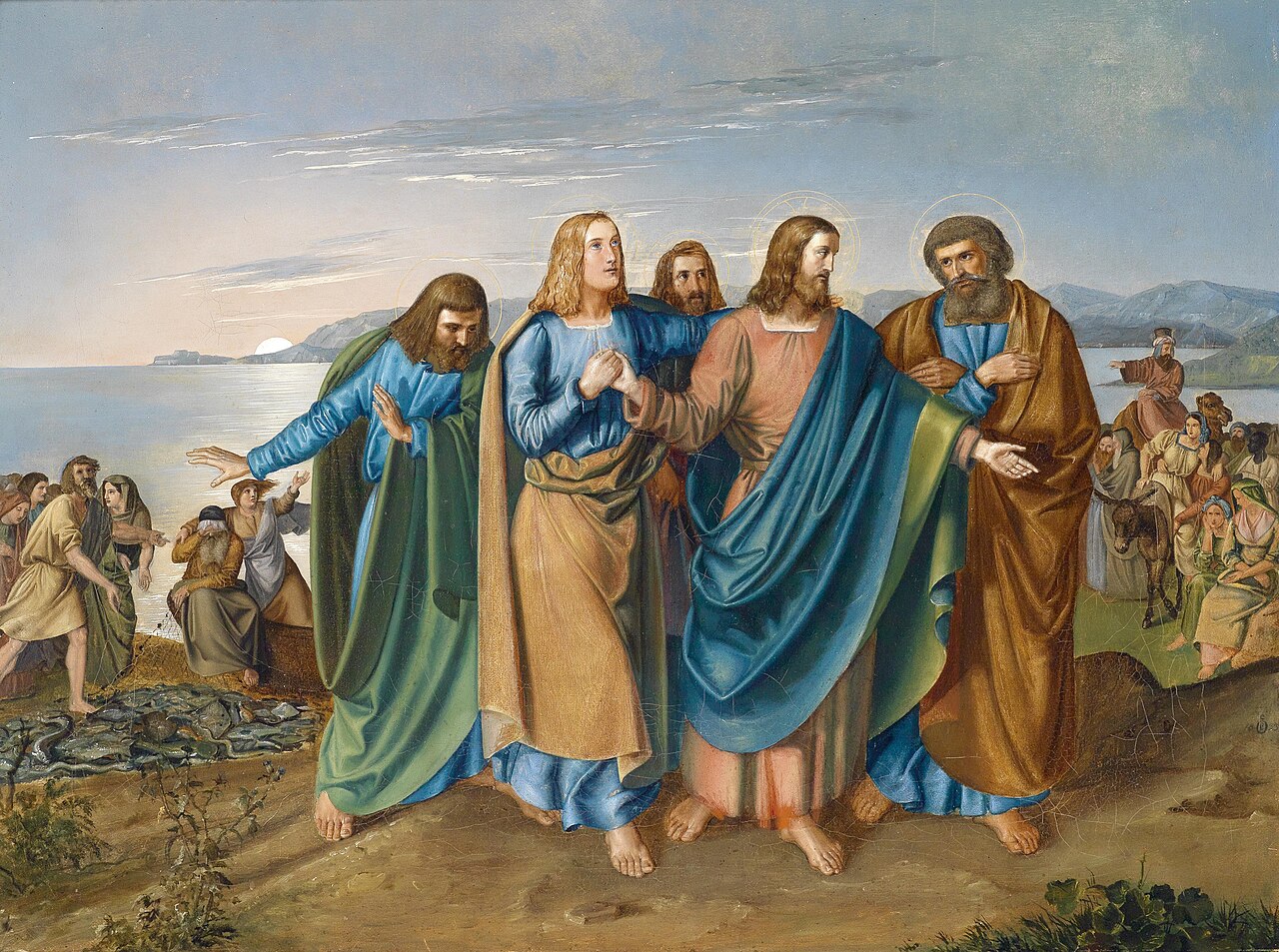
The way Jesus moves through the world changes dramatically depending on which Gospel you happen to be reading. In the Synoptics, Matthew, Mark, and Luke, he’s constantly surrounded by crowds, teaching publicly, confronting authorities, moving in the open through Galilee… Continue reading
-
2. Two Lineages, Two Messianic Claims
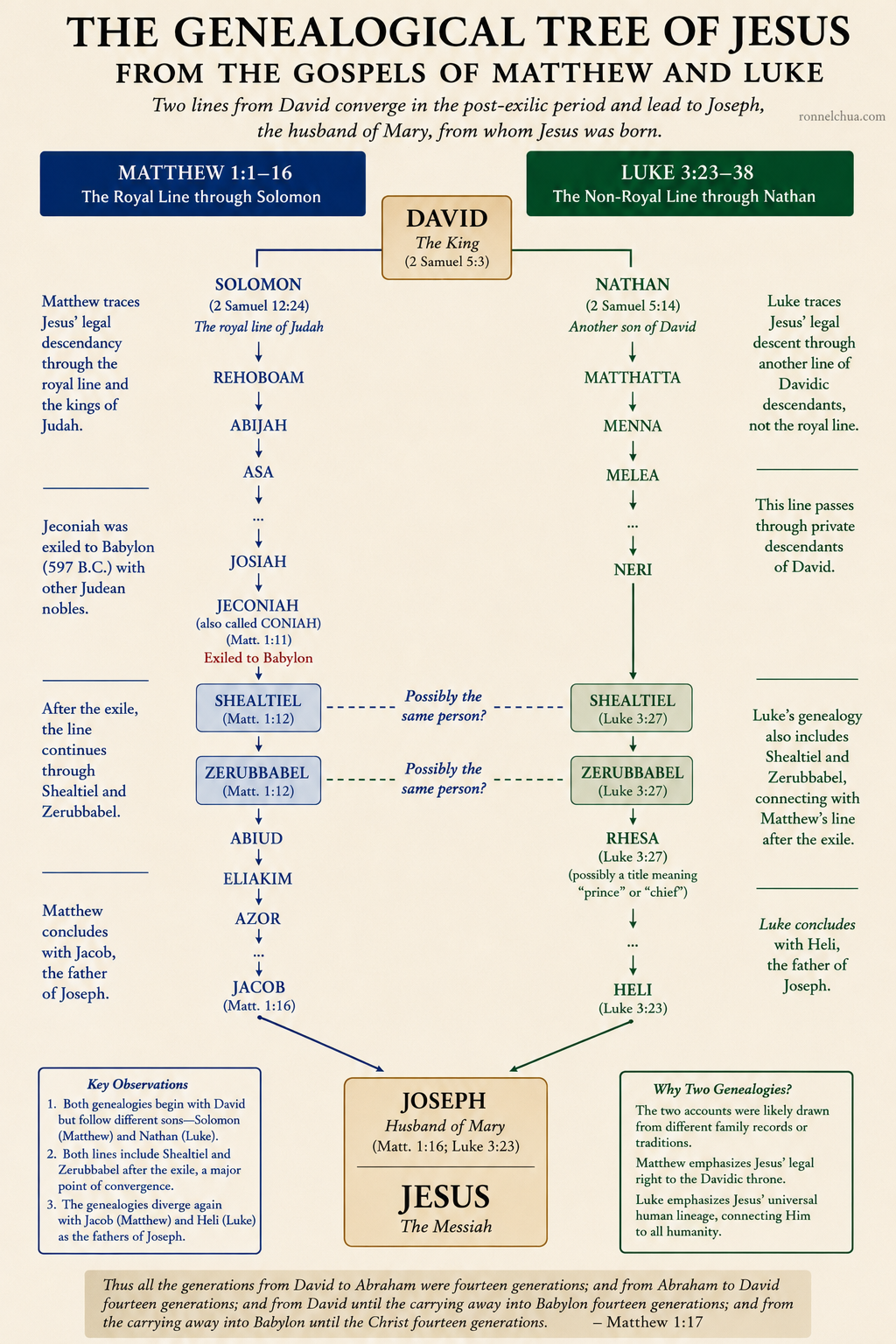
Matthew and Luke both trace Jesus’s ancestry back to David, and both genealogies have frustrated harmonizers more thoroughly than the birth narratives ever did. The trouble starts at the generations between David and Joseph, where the two lists simply part… Continue reading
-
1. Two Births, Two Beginnings
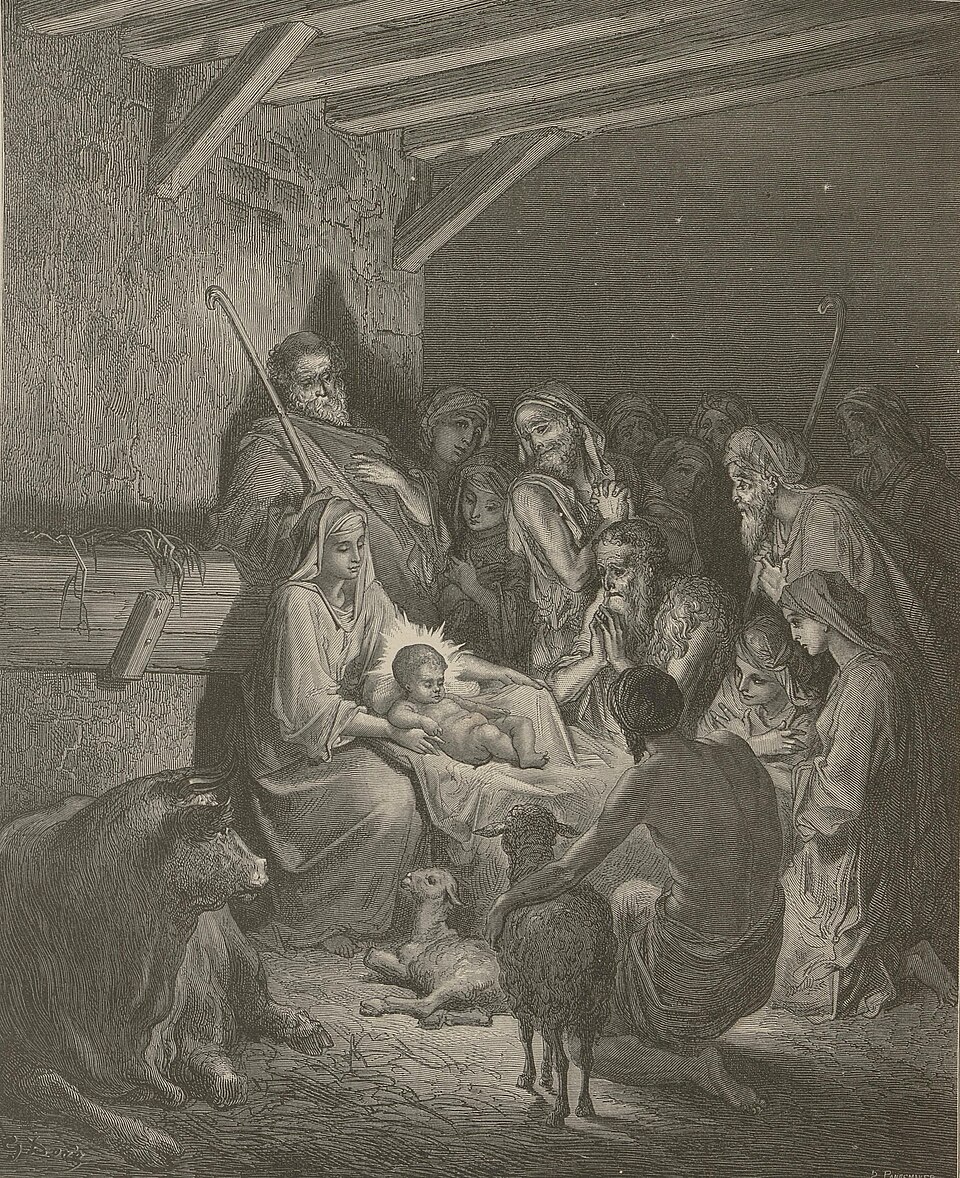
(This follows from the article Two Jesuses.) The contradictions start at the very beginning, with two birth narratives that resist harmonization no matter how many centuries of apologetics have been thrown at them. Matthew’s and Luke’s accounts aren’t variant versions… Continue reading
-
What “Son of God” Actually Meant
The Political Reality Behind a Theological Phrase Read the phrase Son of God today and your mind probably goes straight to theology, the second person of the Trinity, Christ’s unique relationship to the Father, centuries of councils working out what… Continue reading

-
The Hermeneutic of Inversion
Every tradition that survives under pressure learns to speak in code. I mean that as a description of how ancient writers actually worked, not as a figure of speech, because when the truth they needed to preserve could get them… Continue reading

-
Two Jesuses
Here’s the claim at the center of my book, stated as directly as I know how to state it. The Jesus who died on the cross and the Jesus whose wisdom teachings became the core of early Christianity were two… Continue reading
