
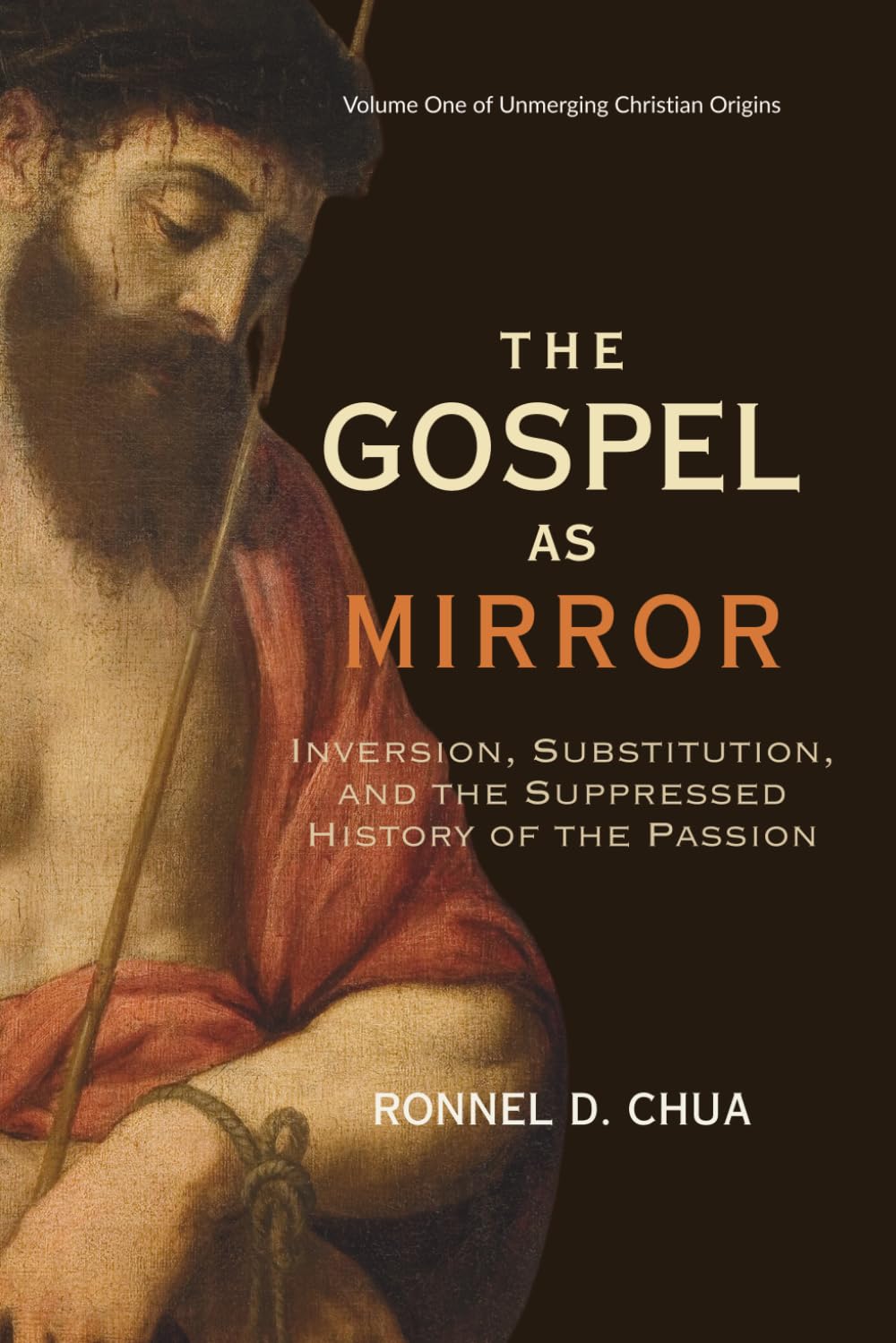
THE HERMENEUTIC OF INVERSION: HOW TO READ A TEXT THAT CANNOT SAY WHAT IT MEANS
The seams in the Gospels have been visible for two thousand years. The method for reading them has been available in the tradition of ancient encoded writing for just as long. What The Gospel as Mirror attempts is to bring the two together, carefully and with full acknowledgment of what the evidence supports and what it does not, and to follow the reading that results wherever it leads.
Latest Posts
-
The Serpent and the Savior
Why Does God Confirm What the Serpent Said? Here’s a verse that nobody quite knows what to do with. Genesis 3, the serpent makes a promise: eat from the tree and you’ll become like God, knowing good and evil. Eve… Continue reading
-
The Gospel of Jesus the Christ
The word gospel did not begin in a church. It began on a coin. When Octavian, the adopted son of Julius Caesar, needed a word to describe the announcement of his reign, the word the Roman world reached for was… Continue reading
-
Dinagat is the New Jerusalem
The First House of God Picture a hill outside the old walls of Jerusalem, low enough that you could walk past it and never think twice. Mount Moriah doesn’t announce itself. Genesis says Abraham climbed that slope with Isaac beside… Continue reading

-
A Prophecy That Failed Its Own Test
Deuteronomy sets out a direct test for telling a true prophet from a false one. “If a prophet speaks in the name of the LORD but the thing does not take place or prove true, it is a word that… Continue reading
-
The Kingdom That Did Not Come
The Kingdom That Did Not Come Jesus prayed for something concrete, not something vague. “Your kingdom come, your will be done, on earth as it is in heaven.” Rather than a wish about the distant future or the far side… Continue reading

-
What Happened Between Paul and the Gospels: The Thirty-Year Gap
Paul’s last authentic letter lands somewhere in the early 60s CE. Mark’s Gospel appears around 70 CE. Between those two dates, the world that produced both documents was torn apart in ways that changed everything: who survived, who scattered, which… Continue reading

-
The Apostle They Buried Twice: Mary Magdalene, Junia, and the Suppression That Runs in Both Directions
Two women stand at the edges of the earliest Christian record, each carrying a title the institution built on that record could never quite bring itself to honor in full. One is named by Paul in his own hand, greeted… Continue reading

-
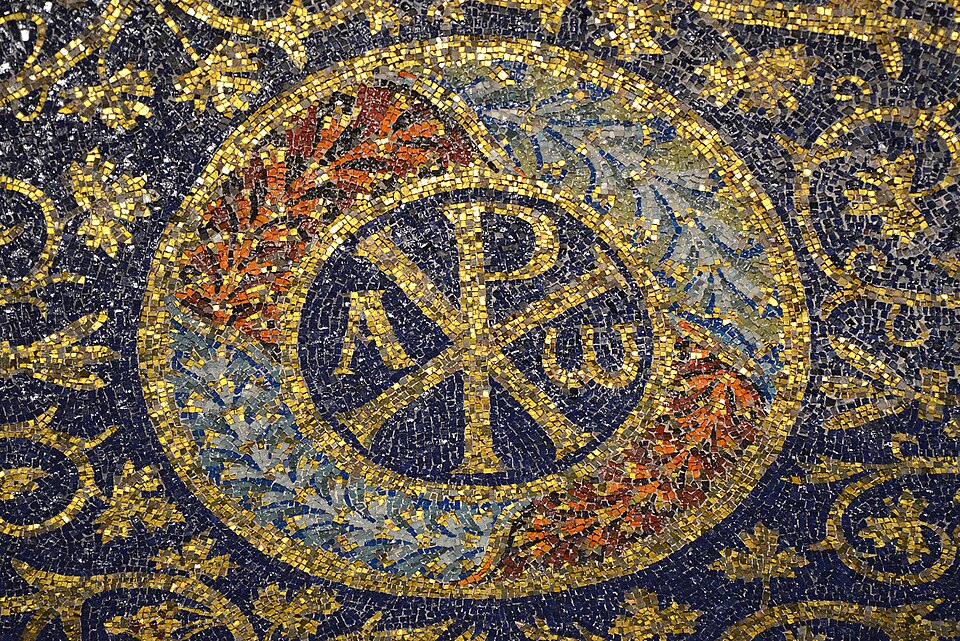
Christ, Nazareth, and the Nazarenes: What the Names Actually Mean
We’ve already worked out when the New Testament documents were written, and traced what Paul says, what Acts adds to it, and what the Gospels give us that Paul never mentions. A question waits underneath all of that work, one… Continue reading
-
The Two Pauls: Similarities and Differences
The case for a composite Paul doesn’t need to lean on speculation to hold its weight. What it actually rests on is something more straightforward than the Herodian kinship material traced in the earlier chapters, though that material still matters… Continue reading
-
My Kinsman: The People Around Paul and What Their Names Reveal
Romans 16 might be the most neglected chapter in Paul’s most studied letter. Fifteen chapters of dense theological argument end in a list of greetings, twenty-seven names packed into twenty-three verses, and most readers treat it the way you’d treat… Continue reading
