
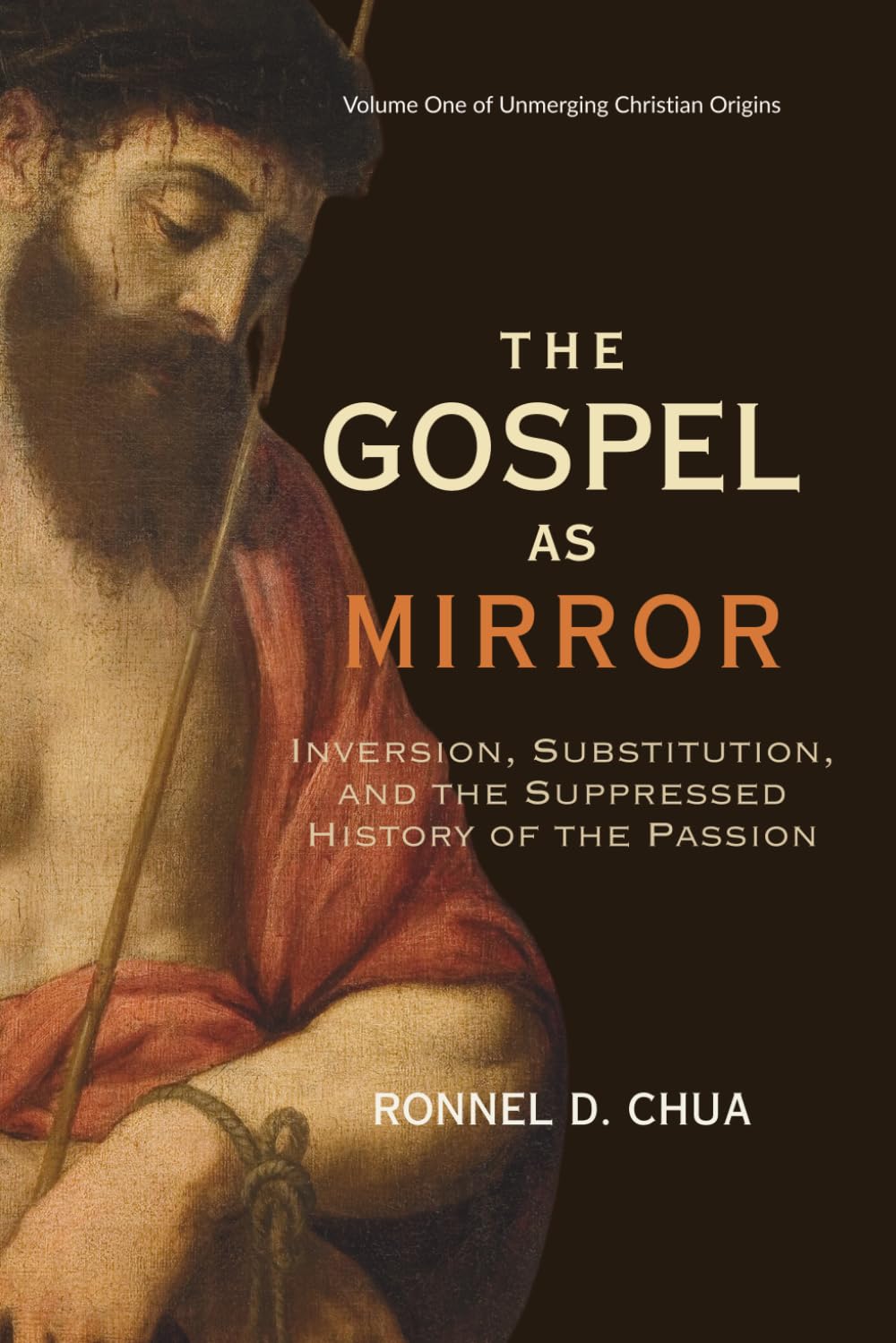
THE HERMENEUTIC OF INVERSION: HOW TO READ A TEXT THAT CANNOT SAY WHAT IT MEANS
The seams in the Gospels have been visible for two thousand years. The method for reading them has been available in the tradition of ancient encoded writing for just as long. What The Gospel as Mirror attempts is to bring the two together, carefully and with full acknowledgment of what the evidence supports and what it does not, and to follow the reading that results wherever it leads.
Latest Posts
-
Did Paul in His Seven Letters Call Peter “Peter”?
The answer is almost certainly no. Across the seven undisputed letters, Romans, 1 and 2 Corinthians, Galatians, Philippians, 1 Thessalonians, Philemon, Paul refers to the Jerusalem figure he met, argued with, and named as one of the pillars of the… Continue reading

-
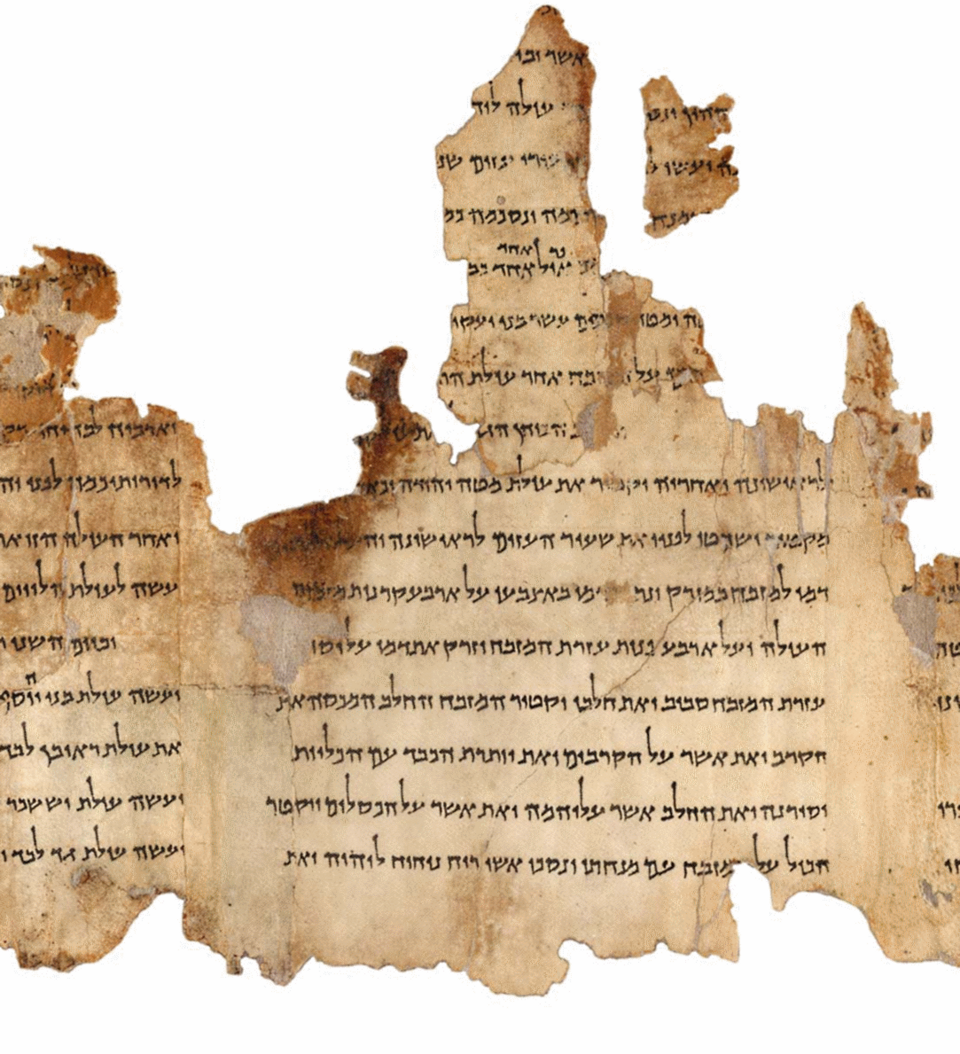
The Theology of Paul and Its Jewish Roots: Where Does He Actually Belong?
Paul was a Pharisee by training — but his theology shares more with the Essenes of Qumran than with any other Jewish faction. A systematic mapping of where Paul actually stands in the landscape of first-century Judaism. Continue reading
-
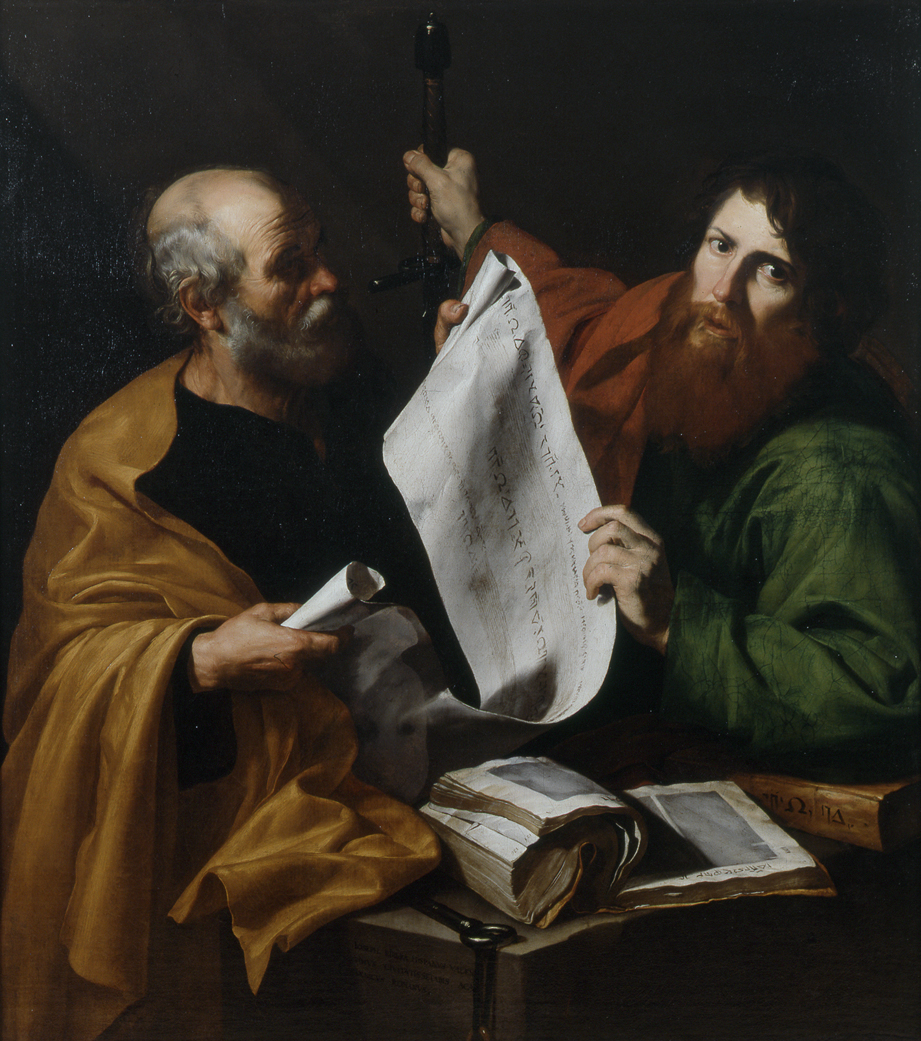
Paul, In His Own Words: The Story Without Acts or the Gospels
What does Paul’s story look like when told only from his own letters — no Acts, no Gospels, no later tradition? A man, writing under oath, describing himself in his own words. Continue reading
-
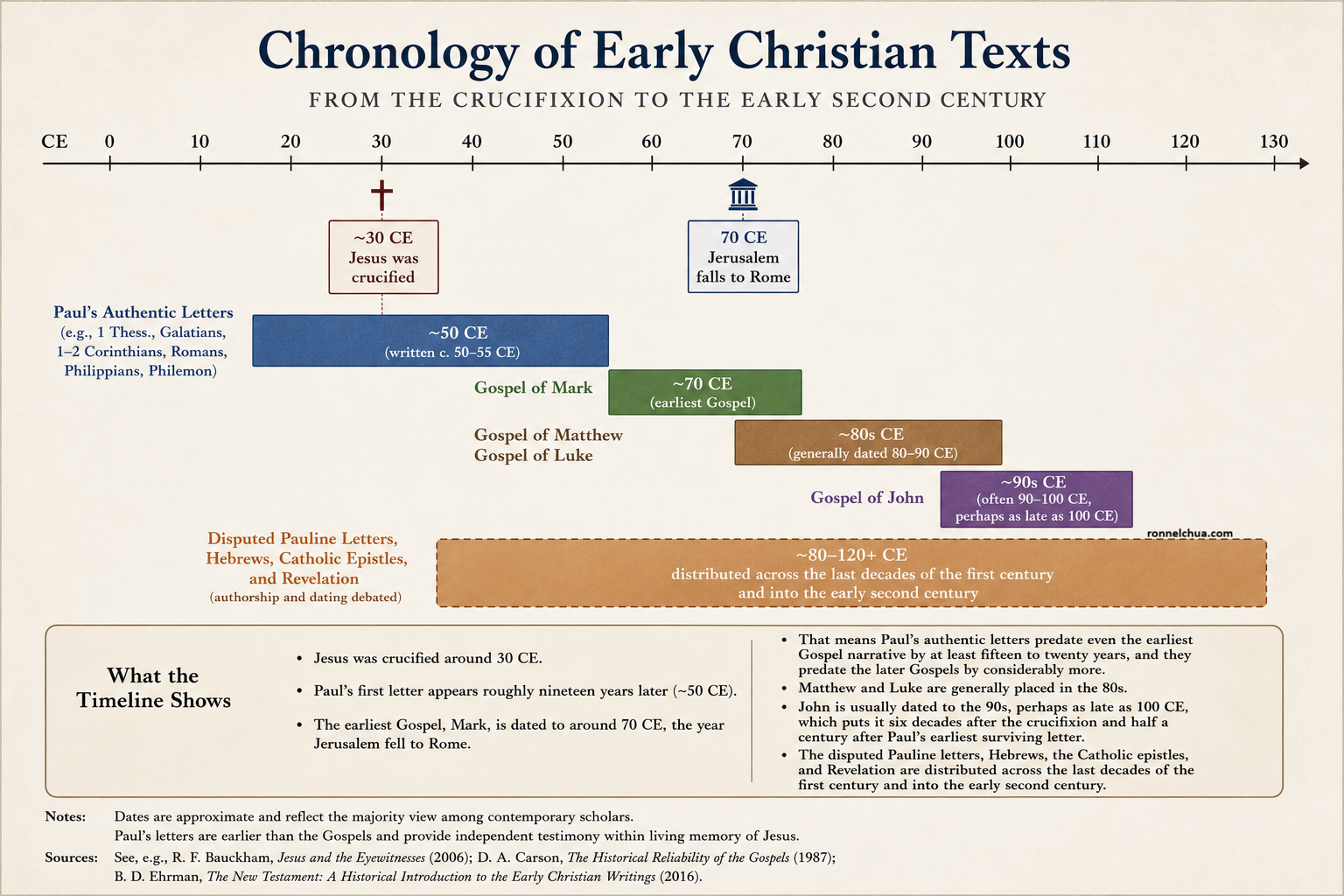
When the New Testament Was Written: A Chronological Background
A chronological guide to when the New Testament was actually written — from Paul’s earliest letters in 49 CE to the late Gospels and disputed epistles — and why the sequence changes how we read the texts. Continue reading
-
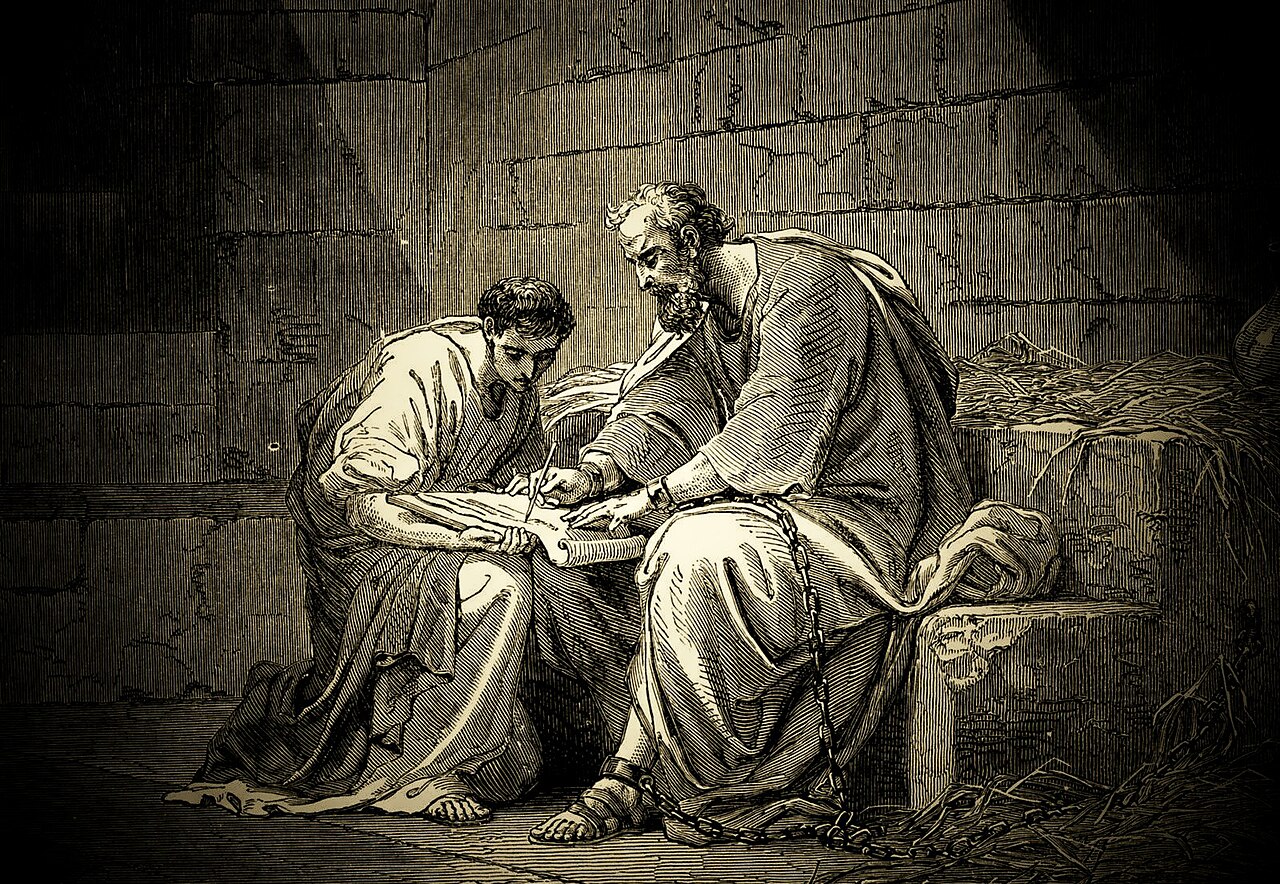
What the Gospels Know That Paul Does Not Say – Part 3
The Gospels are full of material Paul never mentions — the birth, the baptism, the parables, Gethsemane, Pilate. A systematic comparison of what the earliest Christian writer leaves out. Continue reading
-
The Lukan Paul: What Acts Claims That Paul Never Did – Part 2
Acts of the Apostles gives Paul a hometown, a teacher, Roman citizenship, and miracles he never mentions in his own letters. A close reading of what Luke adds and what the texts reveal. Continue reading

-
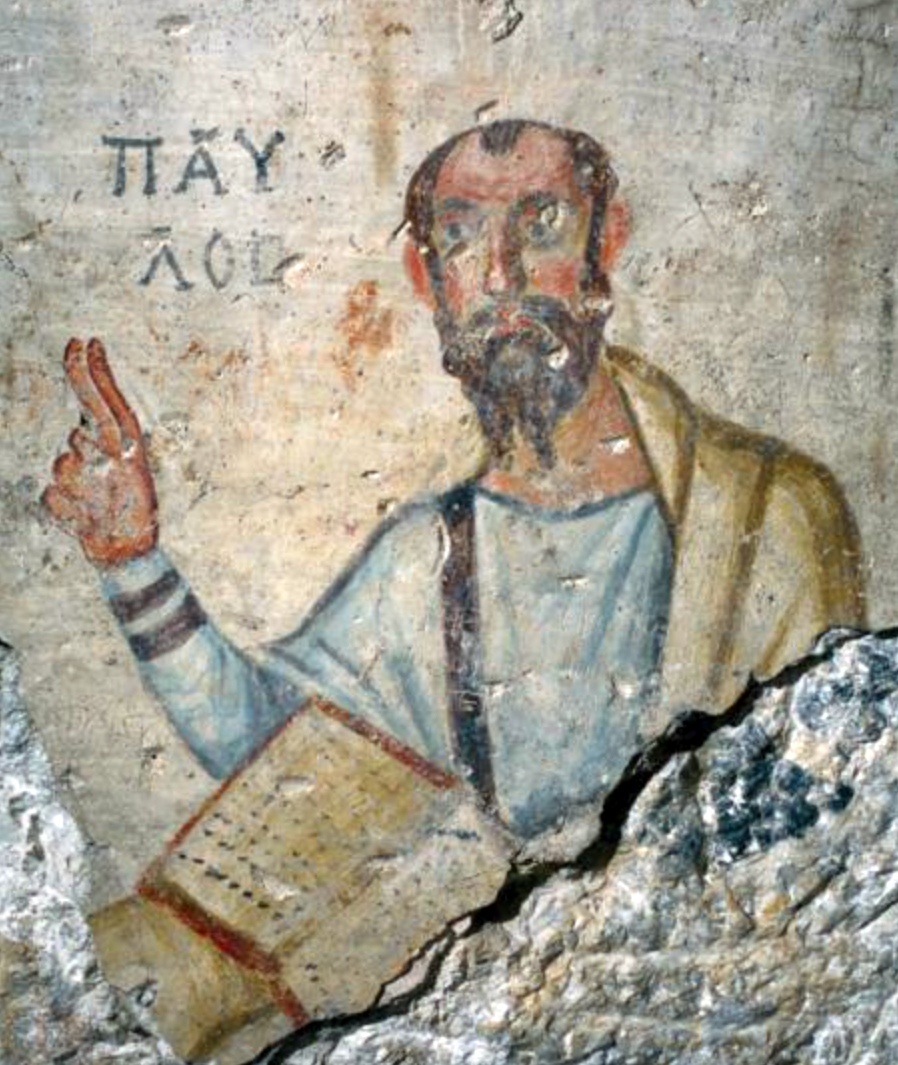
What Paul Actually Said – Part 1
What do Paul’s seven authentic letters actually tell us about Jesus, the church, and early Christian belief — and what is strikingly, structurally absent from all of them? Continue reading
-
The Qabala of God
Across Egyptian, Hebrew, Hindu, Buddhist, and Christian traditions, the names of the divine converge on a single number. Whether this is discovery or construction is a question the evidence does not settle. Continue reading

-
The Way, the Dao, and the Ancient Paths
How to move through the world in a way that is genuinely aligned with what is real rather than with what merely seems advantageous, is a genuinely human problem, not the property of any single culture or century. Continue reading

-
What the Place Is Called Now
When a place is renamed, the new name reaches backward and covers everyone who ever belonged to it. Lapulapu became Filipino the same way Jesus became Palestinian — by the logic of how place-names actually work. Continue reading
