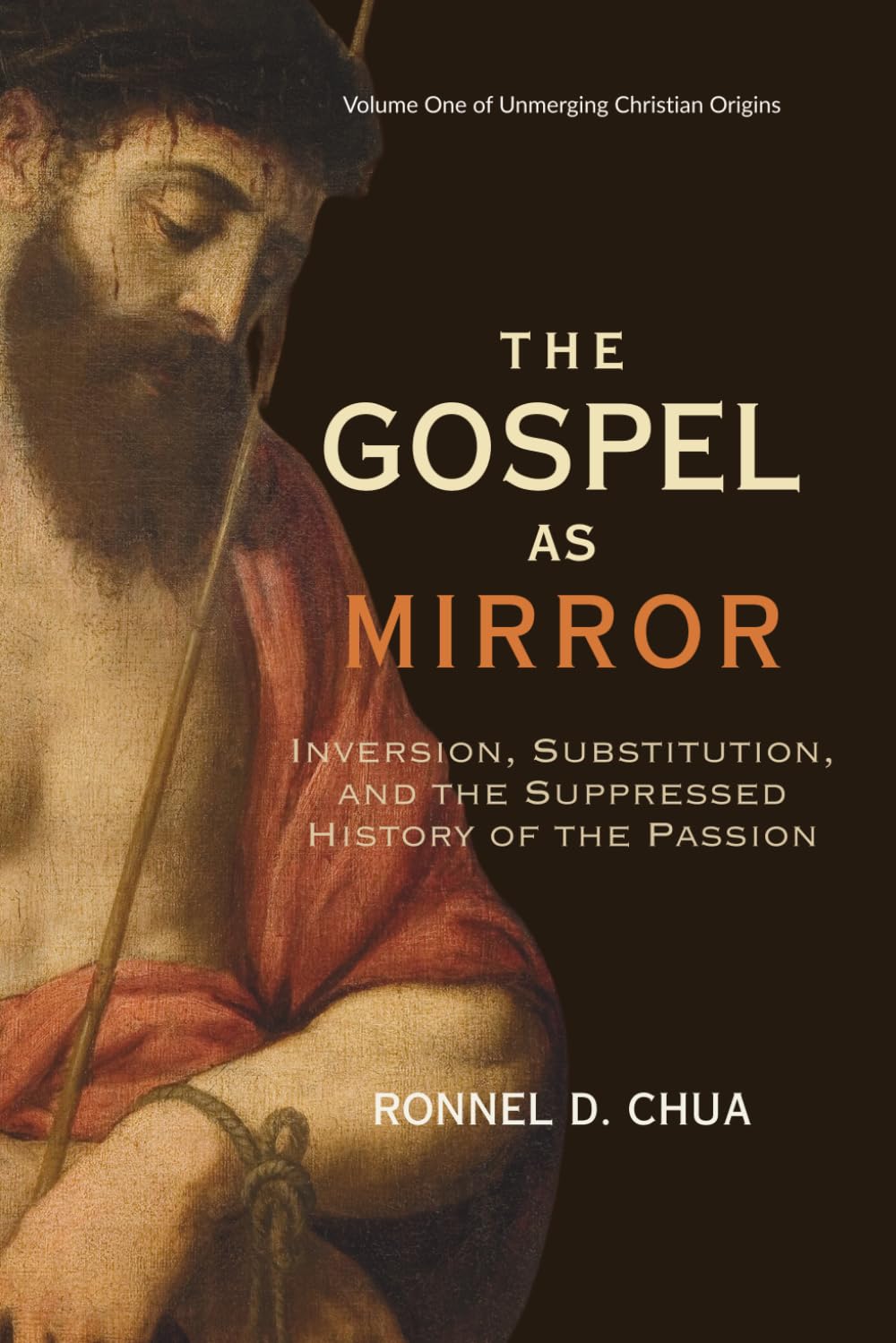
THE HERMENEUTIC OF INVERSION: HOW TO READ A TEXT THAT CANNOT SAY WHAT IT MEANS
The seams in the Gospels have been visible for two thousand years. The method for reading them has been available in the tradition of ancient encoded writing for just as long. What The Gospel as Mirror attempts is to bring the two together, carefully and with full acknowledgment of what the evidence supports and what it does not, and to follow the reading that results wherever it leads.
Latest Posts
-
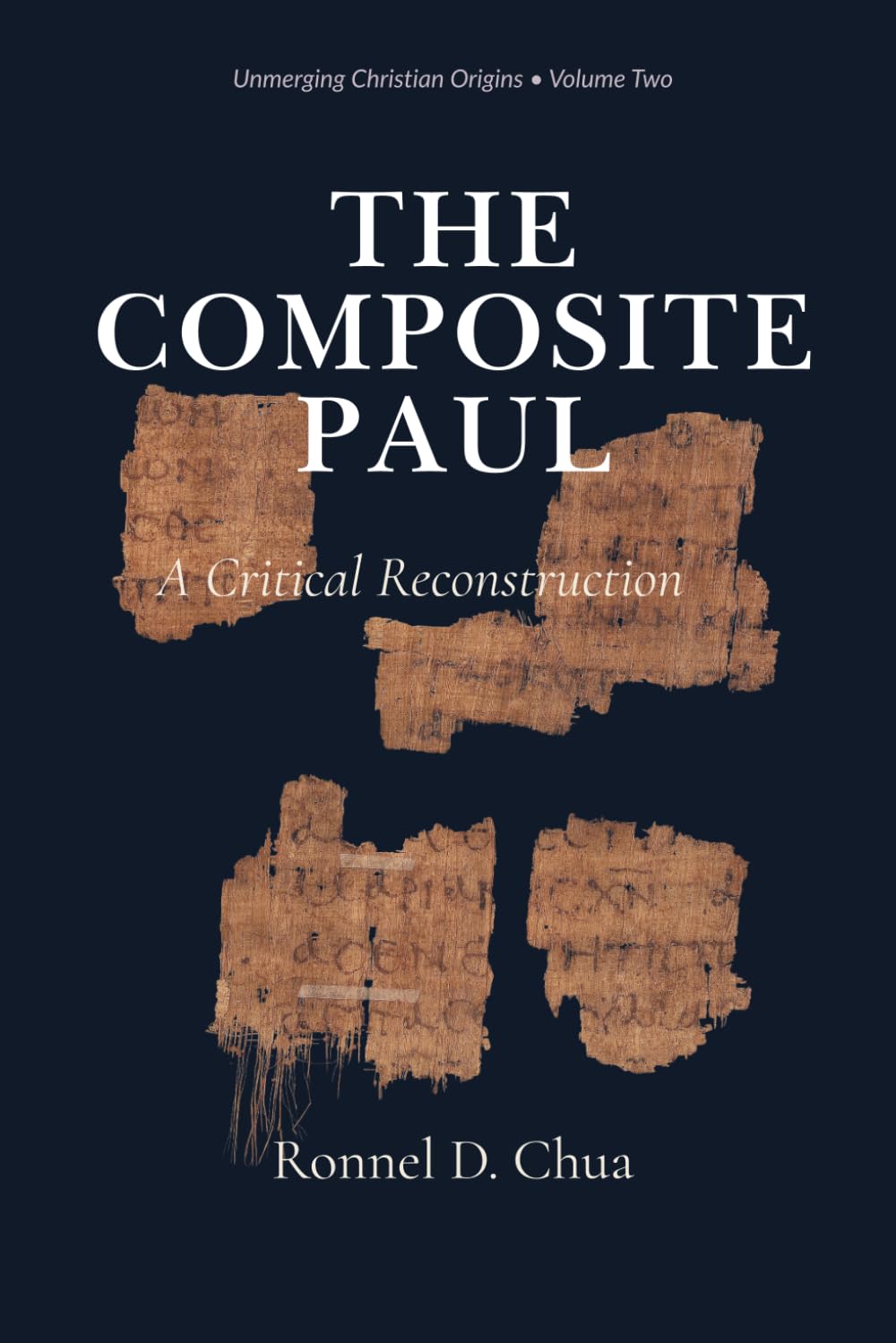
The Composite Paul: A Critical Reconstruction
There is a sentence in the sixteenth chapter of Paul’s letter to the Romans that scholarship has, for two thousand years, done its very best to ignore. It is not hidden. It requires no special knowledge of ancient languages or… Continue reading
-
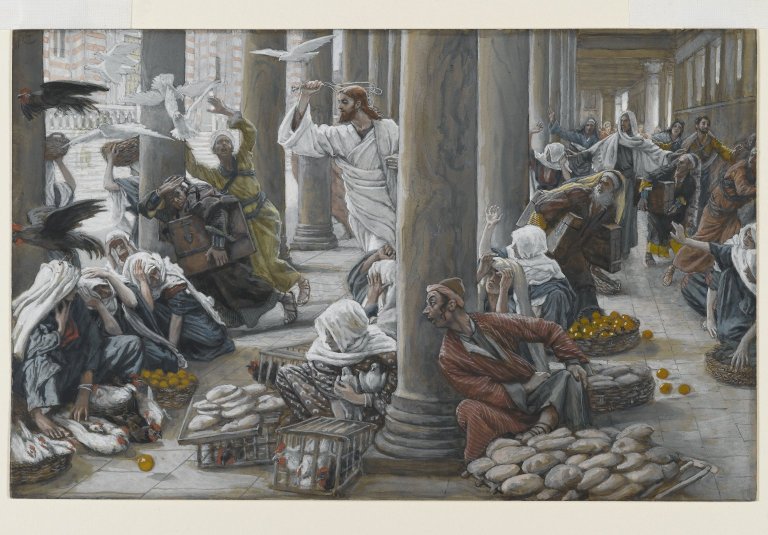
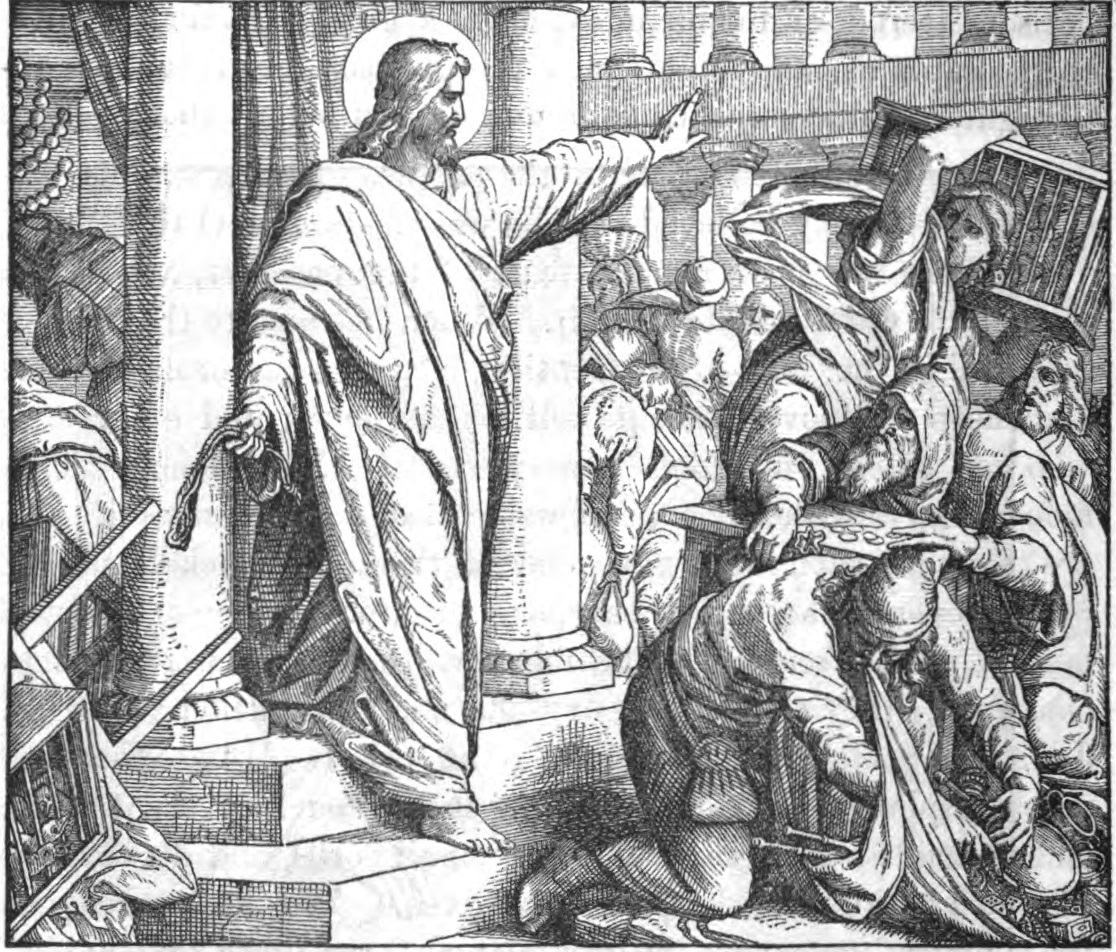
9. The Temple: Where the Split Becomes Undeniable
If there’s a single episode that makes the two-Jesus theory nearly impossible to avoid, it’s the Temple incident. The Synoptics and John describe Jesus’s relationship to the Temple in ways that can’t possibly refer to the same person occupying the… Continue reading
-
8. Two Political Postures, Two Threats to Order
The text explores the contrasting political messages of Jesus as presented in the Synoptic Gospels versus John. The Synoptic Jesus critiques wealth and power, posing a revolutionary threat, while the Johannine Jesus focuses on spiritual transformation without challenging existing socio-political… Continue reading
-
Matthew 16:18-19 Historical Criticism: Is the ‘Rock’ Saying Original to Jesus?”
The discussion highlights two conflicting interpretations of access to God within the Jesus tradition, particularly in Matthew’s Gospel. It examines Matthew’s unique key-holding narrative alongside independent traditions, like those in Luke and the Gospel of Thomas, which reject gatekeeping. This… Continue reading

-
7. Two Relationships to Torah, Two Attitudes Toward Law
The content explores how Jesus’ relationship to Jewish law varies across Gospels. In Matthew, he intensifies the law’s demands, while in John and Paul, the law becomes symbolic, suggesting a shift from adherence to internal transformation. This duality reflects contrasting… Continue reading

-
When the Kingdom Did Not Come, What Came Instead?
(This is the continuation of the article The Kingdom That Did Not Come.) Here’s a problem Christianity inherited almost from the moment it began. Jesus seems to have expected the kingdom of God within the lifetime of the people listening… Continue reading

-
Exploring the Biblical Metaphor of the Way
The metaphor of the “Way” in the Jewish Bible illustrates humanity’s journey with God, emphasizing moral and ethical paths. This concept evolves from Genesis through the prophetic texts, culminating in the New Testament where Jesus embodies the Way. His teachings… Continue reading

-
6. Two Eschatologies, Two Kingdoms
The concept of the kingdom of God varies between the Synoptic Gospels and John. The Synoptics emphasize a future, urgent transformation with ethical implications tied to imminent events, while John presents a present reality focused on inner belief and spiritual… Continue reading

-
5. Two Self-Understandings, Two Christologies
The Gospels present two contrasting portrayals of Jesus: the Synoptic Gospels depict him as a human prophet with limitations and a mission from God, while John presents him as a pre-existent divine being. These differences reflect distinct self-understandings, leading to… Continue reading