historical Paul New Testament
-
The Rock That Was Never Laid: Apostolic Succession After the Mirror, the Composite, and the Twelve
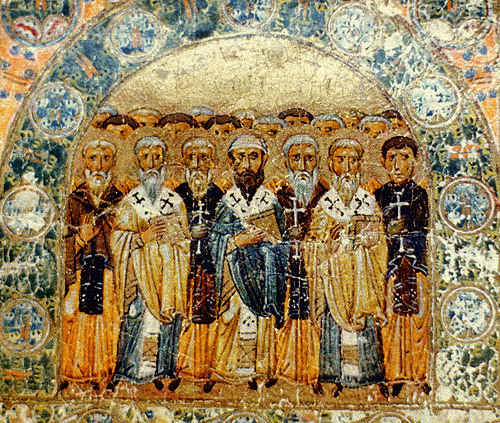
Rome’s claim to authority runs through a single verse pair. In Matthew 16:18-19 a Galilean teacher tells a fisherman that he is the rock on which an ekklesia will stand, and hands him the keys to bind and loose. Everything… Continue reading
-
The Beloved Disciple’s Secret: Why the Fourth Gospel’s Central Figure Has No Name
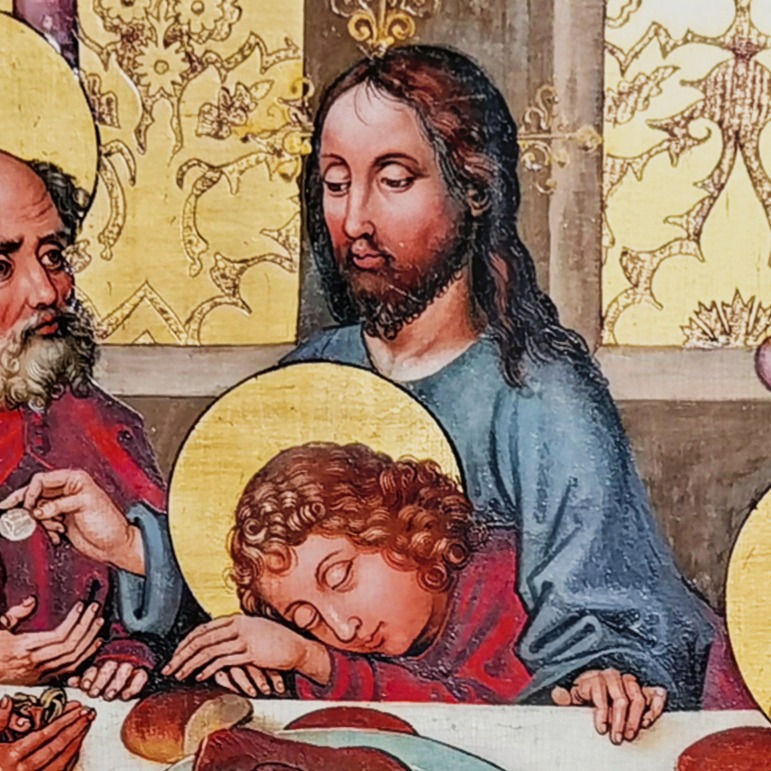
A companion essay to The Twelve Who Were Not: Composite Apostles and the Making of Early Christianity The Gospel of John names its characters with real biographical precision. Simon is identified as the son of John. Philip is from Bethsaida.… Continue reading
-
Hskr Thskr Hm: What an Eighth-Century Treaty Inscription Tells Us About the Night in Gethsemane
A companion essay to The Twelve Who Were Not: Composite Apostles and the Making of Early Christianity In the Museum of Beirut, three basalt steles record a transaction between two Aramaic kings from the eighth century BCE. They are not… Continue reading
-
The Late Foundation: What Matthew’s Rock Was Built to Answer
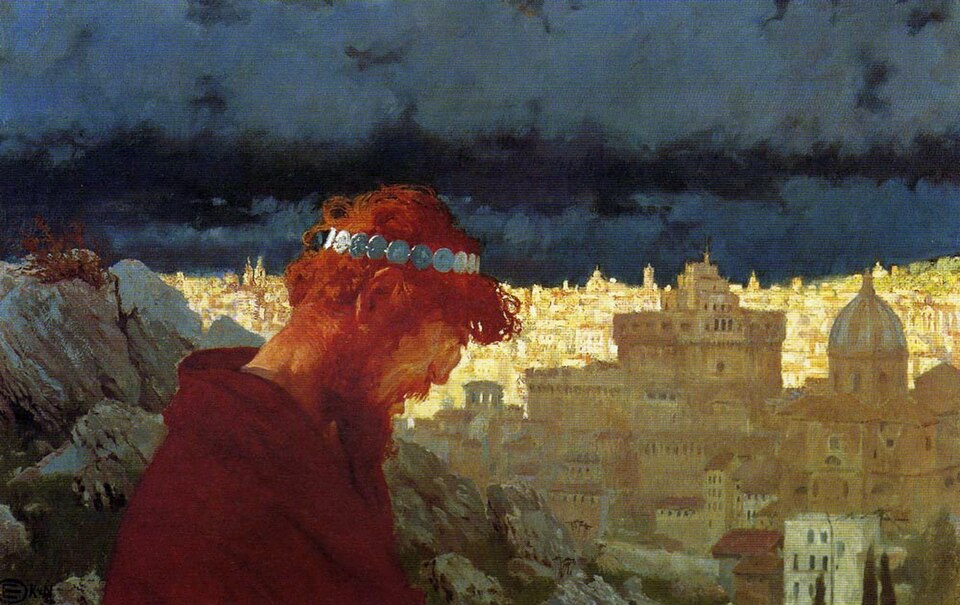
In the summer of 62, with the Roman procurator Festus recently dead and his successor still on the road from Rome, the high priest Ananus saw his opening. He assembled the Sanhedrin, brought James before it on a charge of… Continue reading

-
The James the Gospels Did Not Want You to Know: Why the Lord’s Brother Has No Story
(A companion essay to The Twelve Who Were Not: Composite Apostles and the Making of Early Christianity) What happens if a historian works forward from the earliest sources instead of starting with the gospels? I want to try that experiment… Continue reading

-
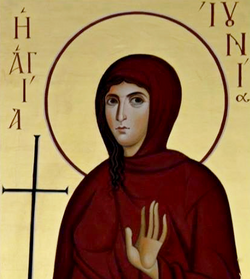
Junia Was a Woman: The Vowel That Changed the History of Apostolic Authority
This essay discusses the significance of the name Junia in Romans 16:7, highlighting how a simple vowel change to “Junias” obscured her role as an outstanding female apostle in early Christianity. It emphasizes how this alteration reflects broader institutional efforts… Continue reading
-
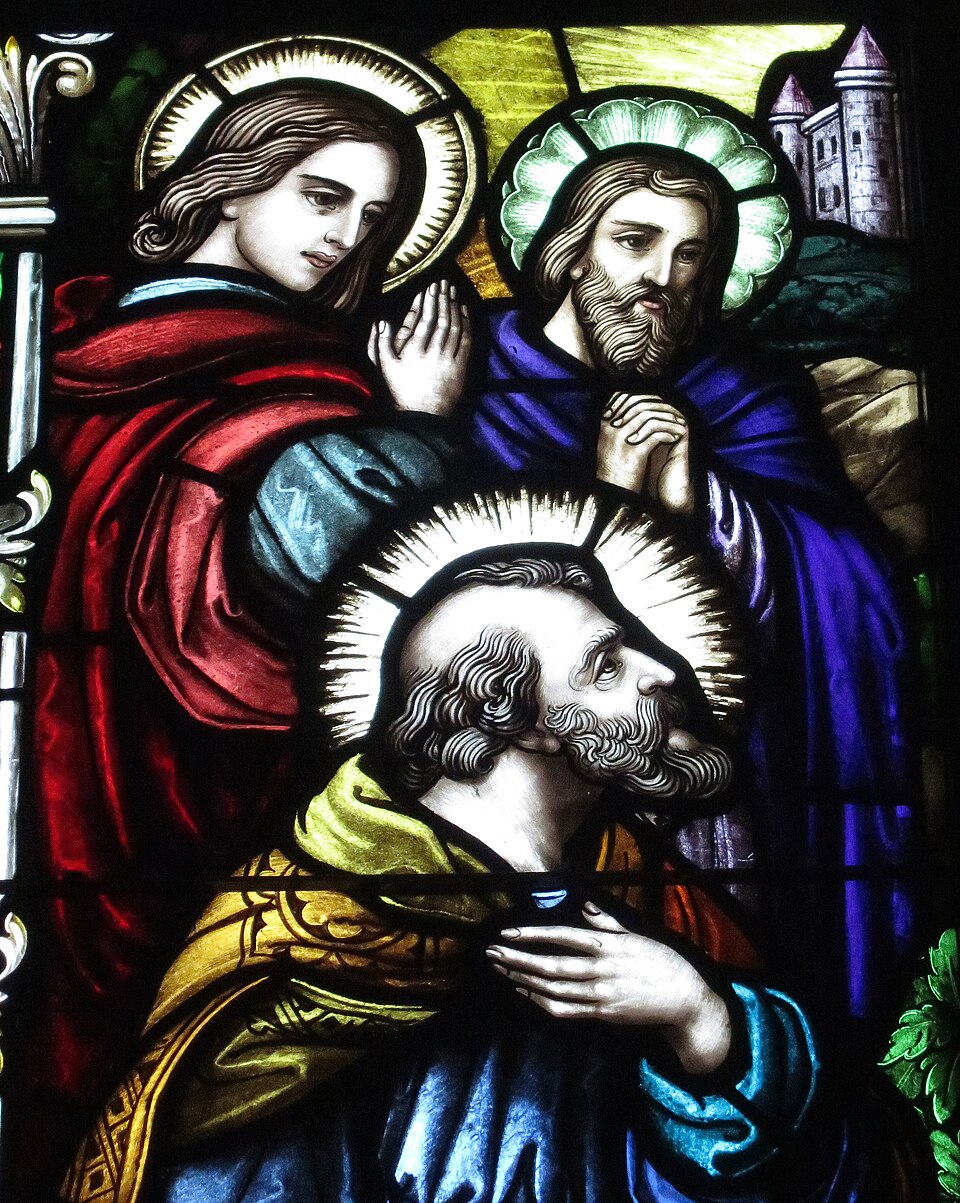
Three Pillars, Not Twelve: What Paul Actually Saw When He Went to Jerusalem
The essay discusses the governance of the early Jerusalem community post-crucifixion, contrasting the traditional depiction of the Twelve apostles with evidence from Paul’s letter to the Galatians. It argues that early leadership revolved around three pillars—James, Cephas, and John—highlighting a… Continue reading
-
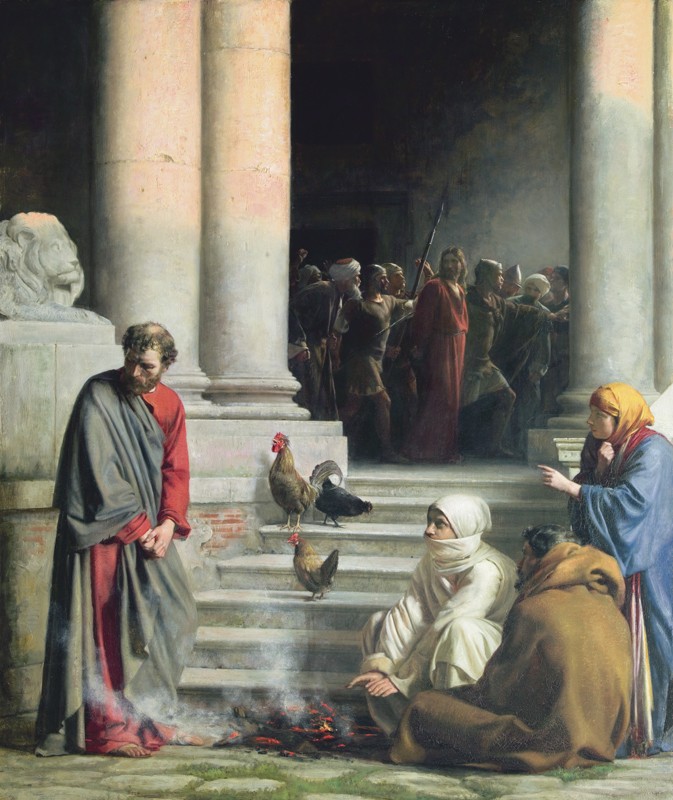
When Peter Became Peter
The Pauline Cephas and the Matthean Peter are two different institutional figures wearing the same name, and the name is the seam at which the construction is most visible, because the name is what the tradition used to make the… Continue reading
-
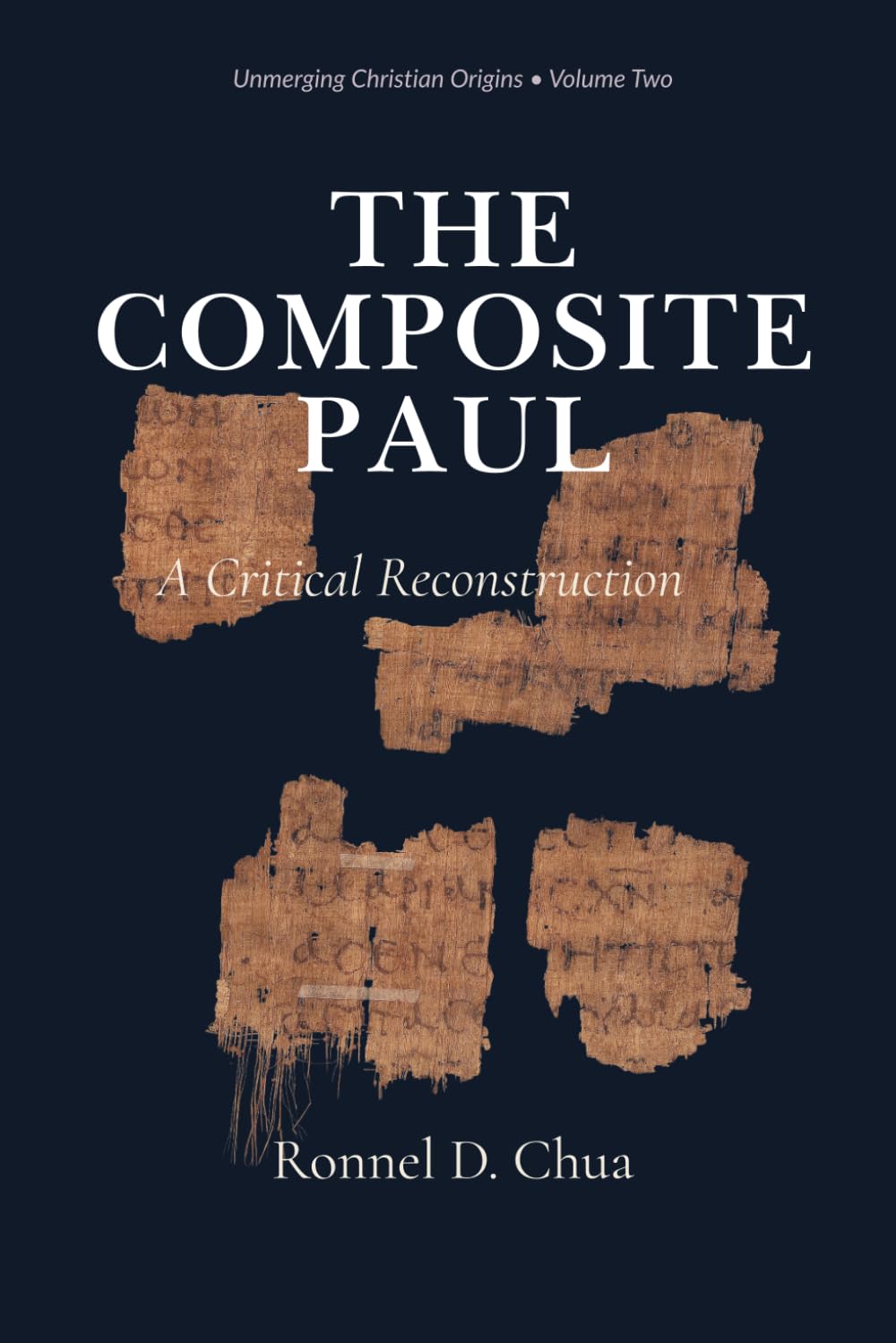
The Composite Paul: A Critical Reconstruction
There is a sentence in the sixteenth chapter of Paul’s letter to the Romans that scholarship has, for two thousand years, done its very best to ignore. It is not hidden. It requires no special knowledge of ancient languages or… Continue reading