

Pip: There is a whole tradition of writing that hides the point on purpose — and a whole tradition of reading that assumes the point is always on the surface. Those two traditions have been arguing since before anyone thought to write the argument down.
Mara: Ronnel D. Chua’s recent work on this site sits right inside that argument — covering how texts communicate through structure rather than statement, and what that demands from a reader.
Pip: Let’s start with what it actually means to read a text that tells the truth sideways.
—
When the Structure Is the Meaning
Mara: The question this post opens with is one that most reading habits are not built to handle: what do you do when a text’s deepest content lives in its arrangement, its hesitations, its strange emphases — rather than in anything it states outright?
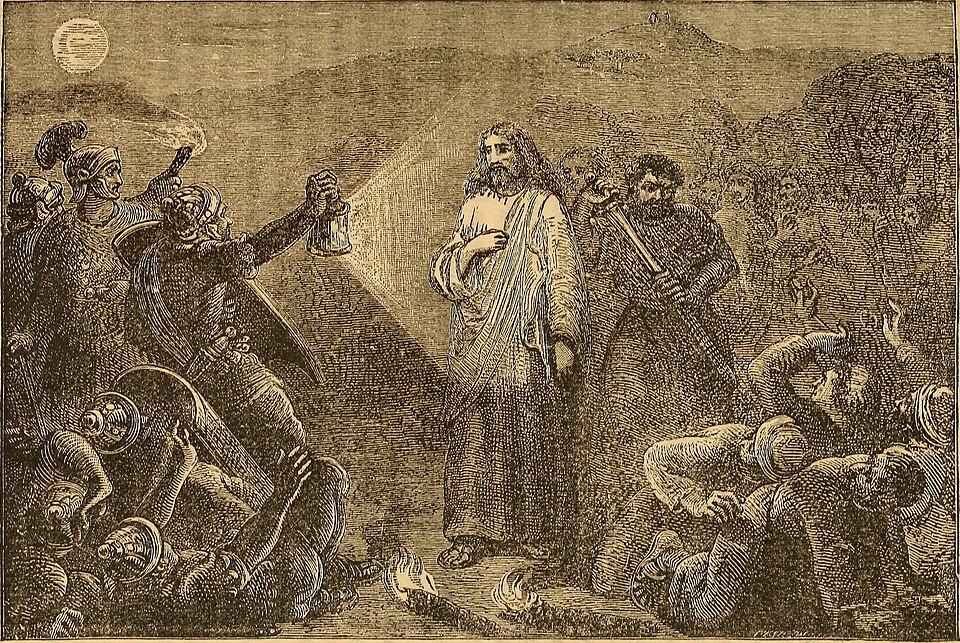
Pip: And the post goes straight to scripture as the test case. Here is the line that anchors it, from the Gospel of Mark, where Jesus himself describes what the parables are doing: “To you has been given the secret of the kingdom of God, but for those outside, everything comes in parables.”
Mara: What that means in practice is that the parable is performing two functions simultaneously — revealing to some and withholding from others — and the form of the parable is not incidental to that. The form is the mechanism.
Pip: The post then pulls in a second scriptural moment that most readers slide past. In 2 Peter 3:16, the author describes Paul’s letters and admits that “His letters contain some things that are hard to understand, which ignorant and unstable people distort, as they do the other Scriptures, to their own destruction.”
Mara: That passage matters because it shows interpretive difficulty was not a later problem imported by medieval philosophers. It was already a recognized feature inside the earliest Christian textual tradition. The complexity came with the texts from the start.
Pip: Maimonides admitted something similar in The Guide for the Perplexed — certain truths can only be given in fragments, chapter headings rather than full arguments. Leo Strauss later built an entire reading method around the same observation, arguing in Persecution and the Art of Writing that pressure from political danger leaves visible marks on how a text is constructed.
Mara: Robert Alter makes a parallel case for Hebrew scripture in The Art of Biblical Narrative — that repetition there is almost never filler, that a single shifted word in a repeated phrase can alter the emotional weight of an entire scene.
Pip: The post lands on something that reframes the act of reading itself. Once you start noticing that a text is shaping your attention rather than just delivering information, you stop asking only what a sentence means and start asking why it appears where it does, why the tone shifts, why the author is suddenly precise where they were vague before.
Mara: Not a technique, the post is careful to say — more like a cultivated attentiveness. The older commentary traditions, Jewish, Christian, Islamic, treated reading as something closer to extended meditation. Meaning was assumed to unfold over time, not arrive immediately.
Pip: Which is a direct challenge to the modern habit of extracting the point and moving on — the assumption that clarity is always the goal and that anything resisting it is just badly written.
Mara: And that is exactly the kind of assumption this site exists to invert.
—
Pip: The idea that difficulty in a text might be doing work rather than failing at work — that is not a comfortable reframe for anyone trained to summarize first.
Mara: But it is the kind of reframe that changes what you notice the second time through. We will keep following that thread.

Leave a Reply