Christian origins historical reconstruction
-
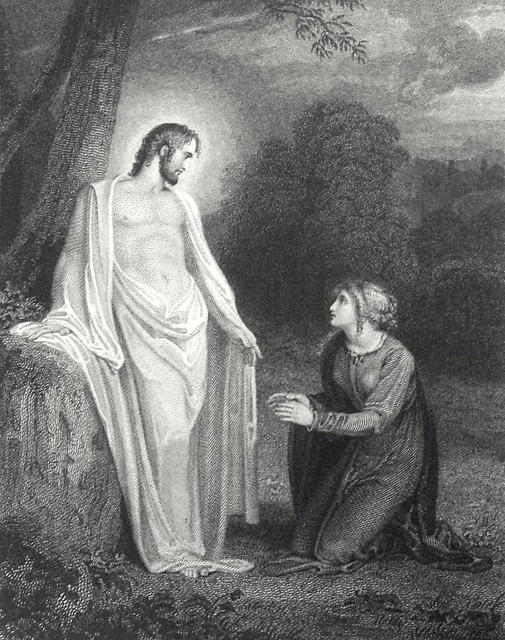
11. Two Resurrections, Two Different Kinds of Appearance
The resurrection accounts are traditionally harmonized into a single sequence of Jesus appearing to various people in various locations. But when you examine them closely, they describe two fundamentally different kinds of experience that make much more sense as evidence… Continue reading
-
The Folded Cloth and What It Says About Resurrection
John’s resurrection account contains a detail that the other three Gospels never bother to mention, and once you notice it, you can’t quite unnotice it. It shows up in John 20, described with the kind of care you’d expect from… Continue reading

-
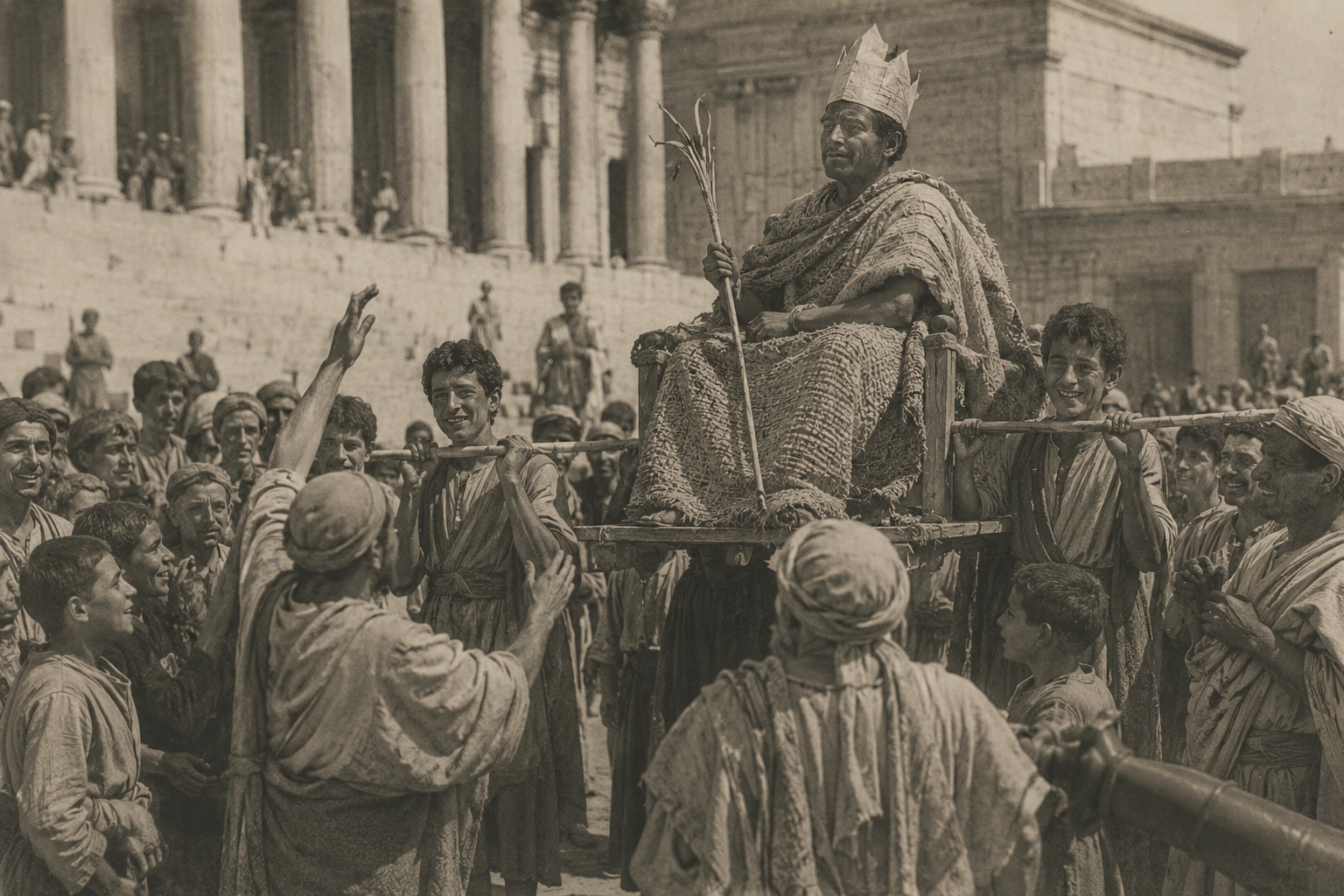
KARABBAS IN ALEXANDRIA: THE HISTORICAL MEMORY BEHIND THE PASSION
Philo of Alexandria’s “Against Flaccus,” written circa 38 CE, documents the mockery of a mentally disabled man named Karabbas, linked to Jesus’s crucifixion scene in the Gospels. This episode reflects the Alexandrian Jewish community’s response to political tensions and encodes… Continue reading
-
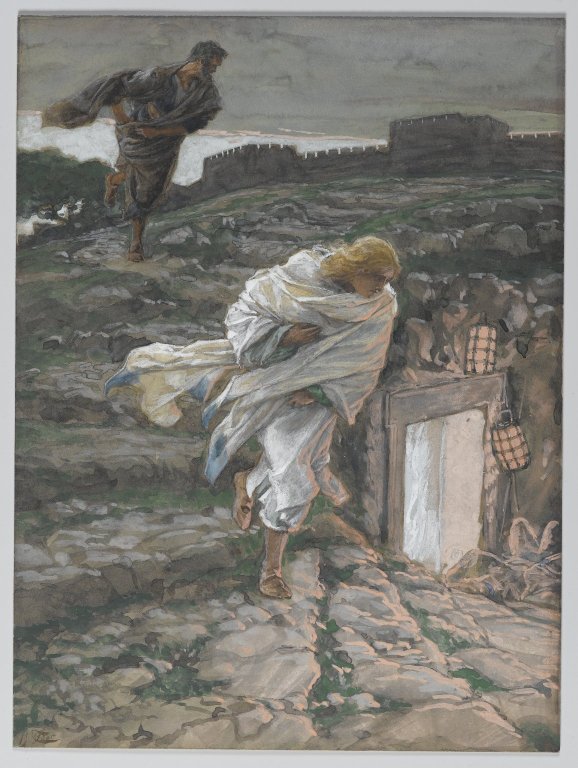
The Rock and the Beloved
This analysis highlights the contrasting portrayals of Peter and the beloved disciple in Matthew and John’s Gospels. Matthew emphasizes Peter’s institutional authority as the “rock” of the church, while John focuses on the relational intimacy of discipleship. The differences underscore… Continue reading
-
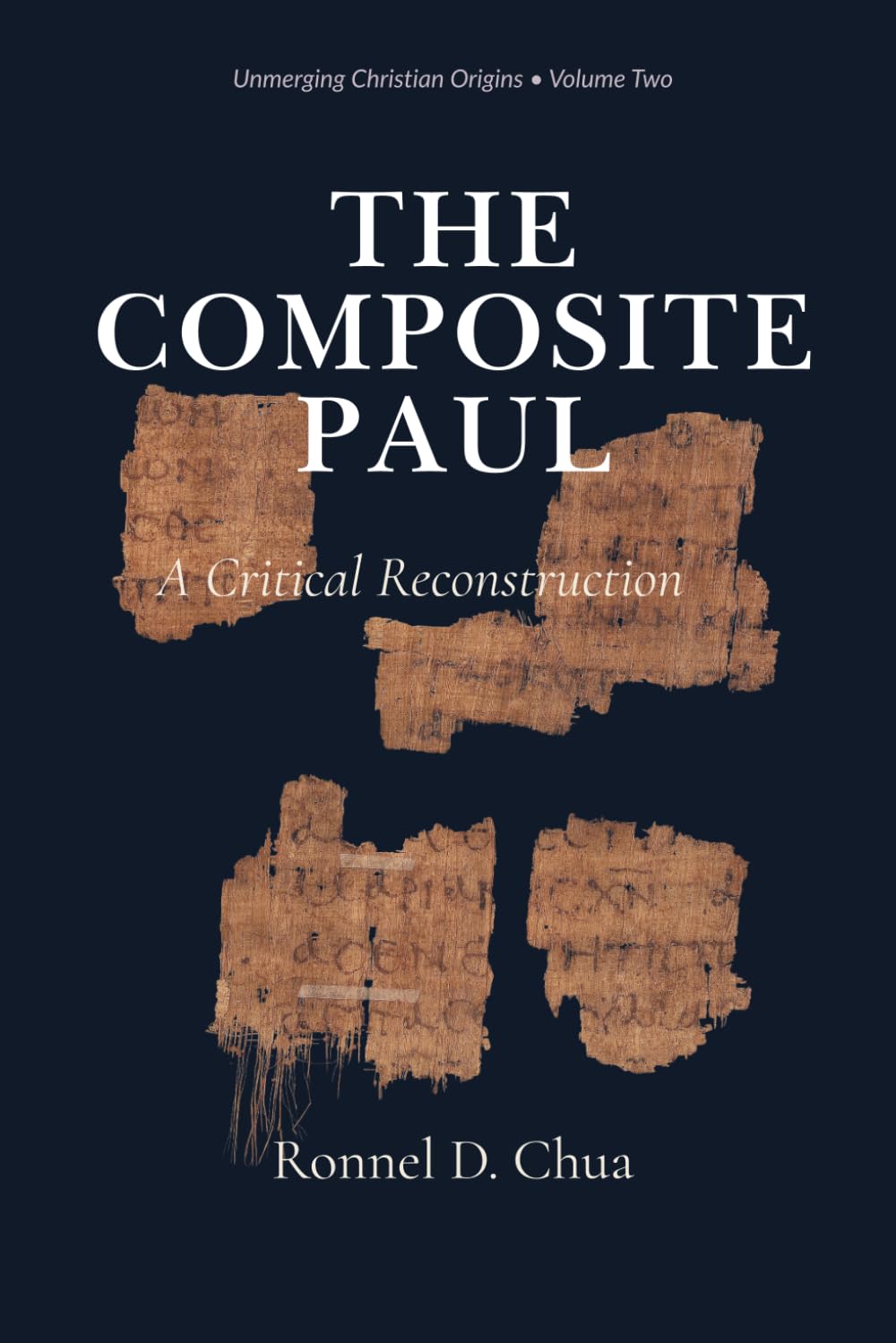
The Composite Paul: A Critical Reconstruction
There is a sentence in the sixteenth chapter of Paul’s letter to the Romans that scholarship has, for two thousand years, done its very best to ignore. It is not hidden. It requires no special knowledge of ancient languages or… Continue reading