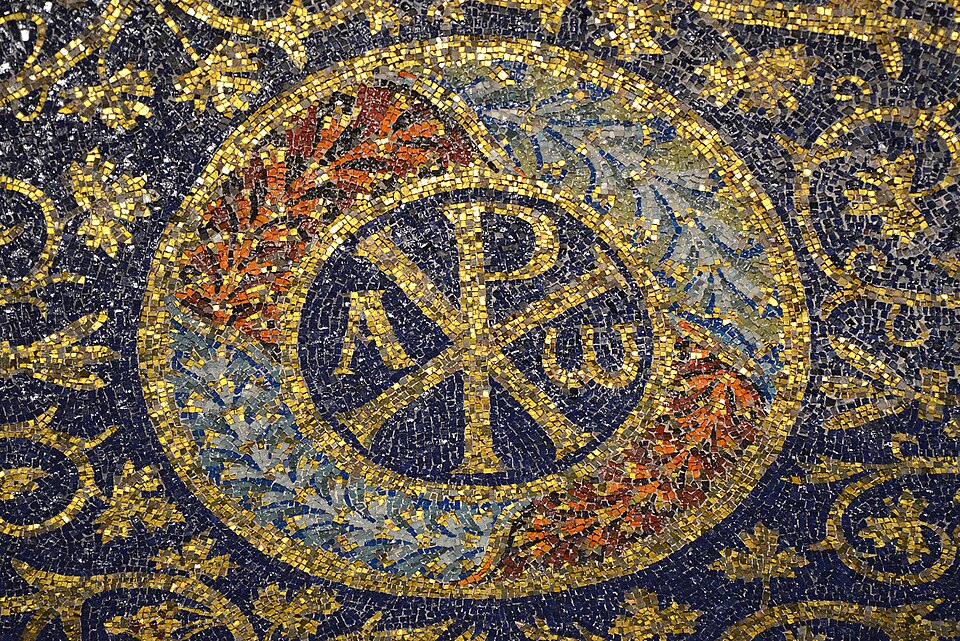
The Hermeneutic of Inversion
-
1. Two Births, Two Beginnings
(This follows from the article Two Jesuses.) The contradictions start at the very beginning, with two birth narratives that resist harmonization no matter how many centuries of apologetics have been thrown at them. Matthew’s and Luke’s accounts aren’t variant versions… Continue reading
-
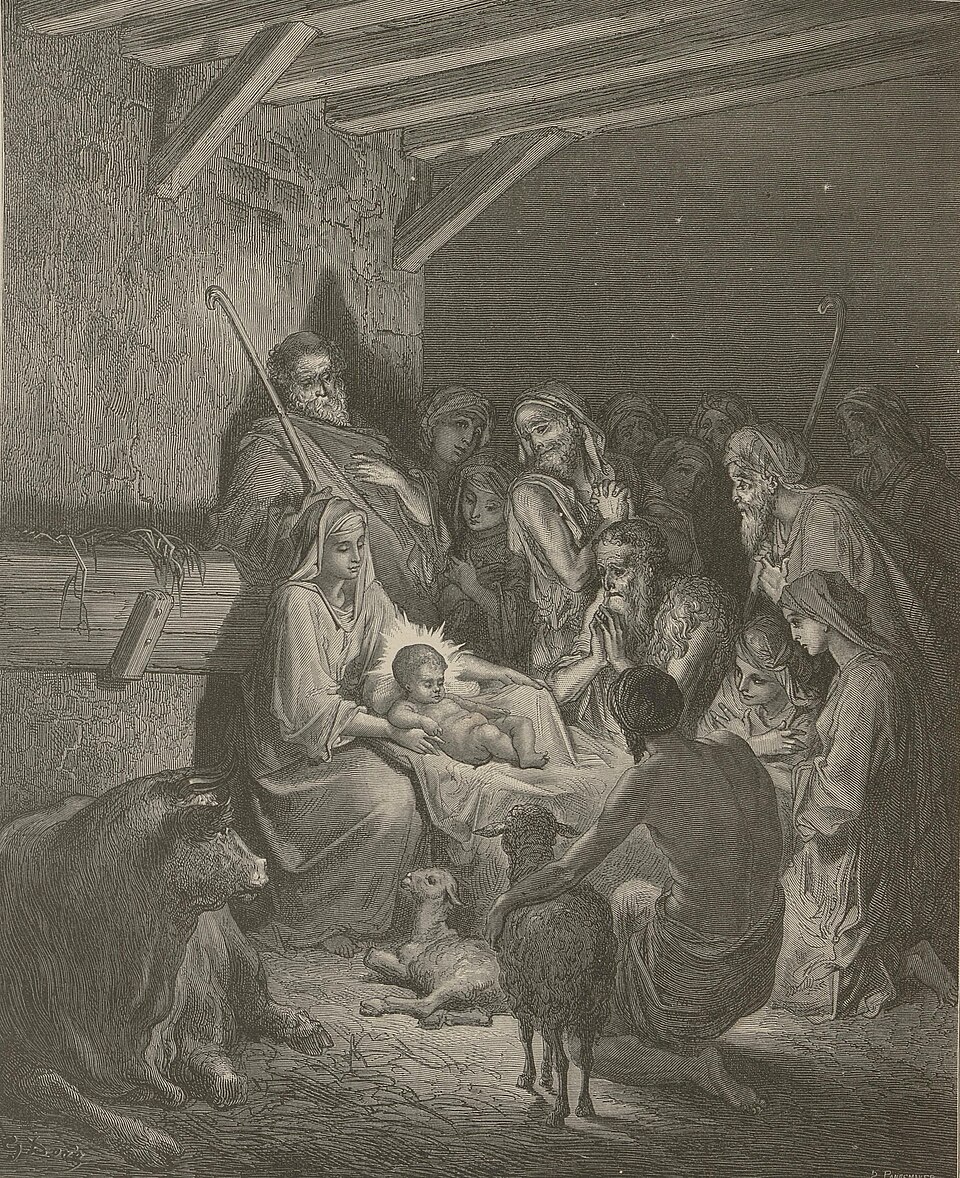
What “Son of God” Actually Meant
The Political Reality Behind a Theological Phrase Read the phrase Son of God today and your mind probably goes straight to theology, the second person of the Trinity, Christ’s unique relationship to the Father, centuries of councils working out what… Continue reading
-
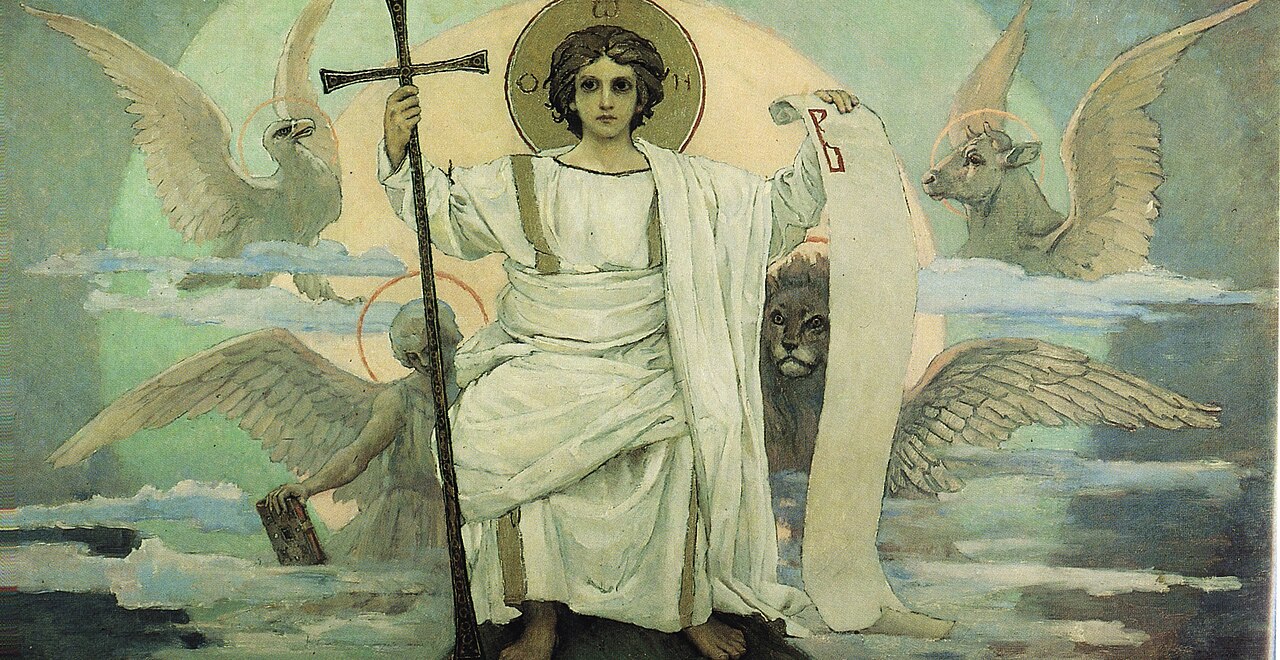
The Hermeneutic of Inversion
Every tradition that survives under pressure learns to speak in code. I mean that as a description of how ancient writers actually worked, not as a figure of speech, because when the truth they needed to preserve could get them… Continue reading

-
Two Jesuses
Here’s the claim at the center of my book, stated as directly as I know how to state it. The Jesus who died on the cross and the Jesus whose wisdom teachings became the core of early Christianity were two… Continue reading

-
The Gospel of Jesus the Christ
The word gospel did not begin in a church. It began on a coin. When Octavian, the adopted son of Julius Caesar, needed a word to describe the announcement of his reign, the word the Roman world reached for was… Continue reading
-
A Prophecy That Failed Its Own Test
Deuteronomy sets out a direct test for telling a true prophet from a false one. “If a prophet speaks in the name of the LORD but the thing does not take place or prove true, it is a word that… Continue reading
-
The Kingdom That Did Not Come
The Kingdom That Did Not Come Jesus prayed for something concrete, not something vague. “Your kingdom come, your will be done, on earth as it is in heaven.” Rather than a wish about the distant future or the far side… Continue reading

-
What Happened Between Paul and the Gospels: The Thirty-Year Gap
Paul’s last authentic letter lands somewhere in the early 60s CE. Mark’s Gospel appears around 70 CE. Between those two dates, the world that produced both documents was torn apart in ways that changed everything: who survived, who scattered, which… Continue reading

-
The Apostle They Buried Twice: Mary Magdalene, Junia, and the Suppression That Runs in Both Directions
Two women stand at the edges of the earliest Christian record, each carrying a title the institution built on that record could never quite bring itself to honor in full. One is named by Paul in his own hand, greeted… Continue reading

-
Christ, Nazareth, and the Nazarenes: What the Names Actually Mean
We’ve already worked out when the New Testament documents were written, and traced what Paul says, what Acts adds to it, and what the Gospels give us that Paul never mentions. A question waits underneath all of that work, one… Continue reading